Incremental Encoder
Incremental Encoder vs Absolute Encoder Features and Uses
Compare incremental encoder vs absolute encoder to choose the best rotary encoder for accuracy speed and reliable position feedback in industrial applications
Read More
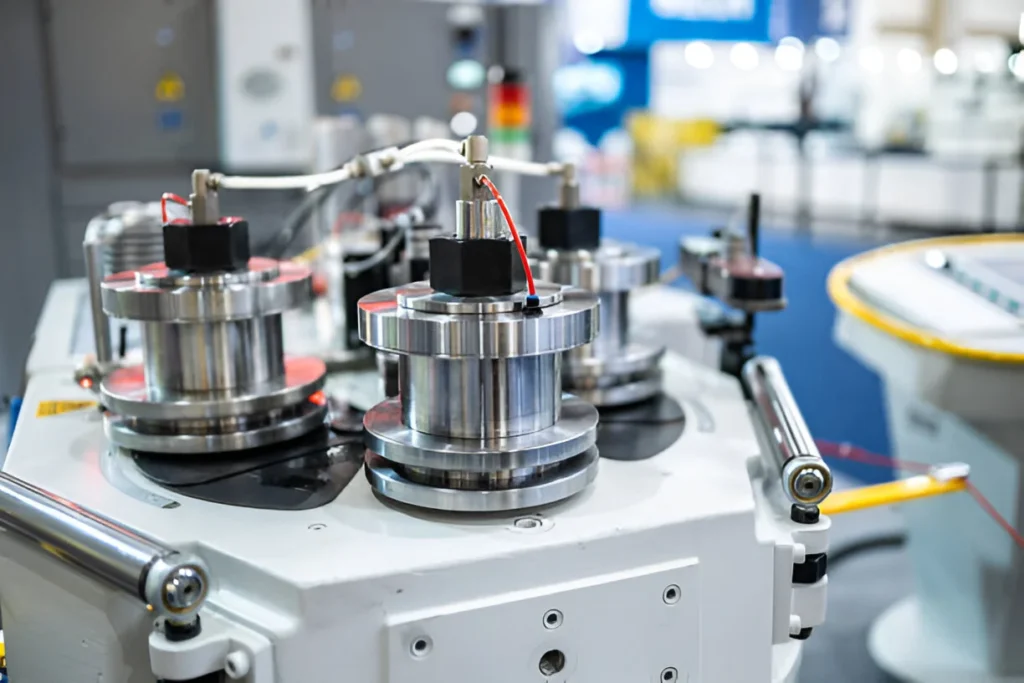
When you work with motion control systems, a core decision is choosing the right encoder to track position and speed. Among the many options, absolute encoder and incremental encoder are the two most common types. Each has its own strengths, limitations, and ideal applications. Understanding how they differ—and how they can complement your design—helps you pick the right solution for reliability, performance, and cost.
In this article, we’ll explore absolute encoder vs incremental encoder in depth, highlight practical considerations, and offer guidance on selecting the best fit for your project.
Encoders translate mechanical motion into electronic signals. They enable precise control of motors, ensure accurate positioning in CNC machines, conveyors, robotics, and a broad range of industrial equipment. The right encoder improves repeatability, reduces downtime, and enhances system diagnosis. You’ll often encounter two families—absolute and incremental—each with unique output formats, data rates, and fault tolerance characteristics. Let’s compare them directly and then dive into scenarios where one outperforms the other.
An absolute encoder provides a unique position value for every shaft position. When power is applied, the encoder immediately reports the exact position without requiring a reference move. This feature makes absolute encoders especially valuable in applications where power loss or unexpected stops could occur, and where resuming from known coordinates is critical. Absolute encoders can be single-turn or multi-turn, storing position data using track segments, capacitive sensing, or magnetic technology. They typically output high-integrity position data through interfaces such as SSI, BiSS, Endat, Gray code, or parallel.
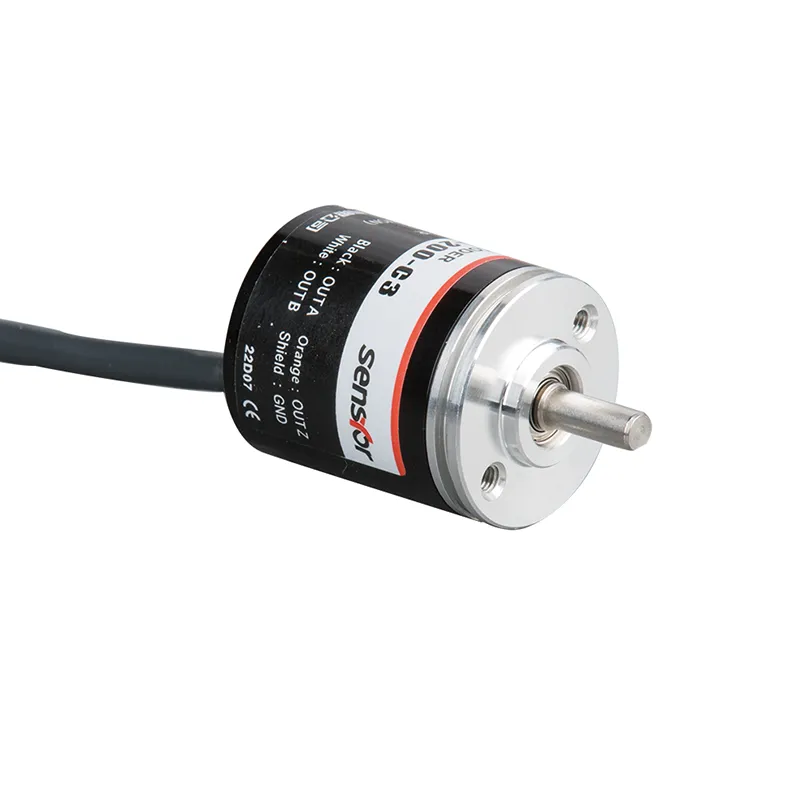
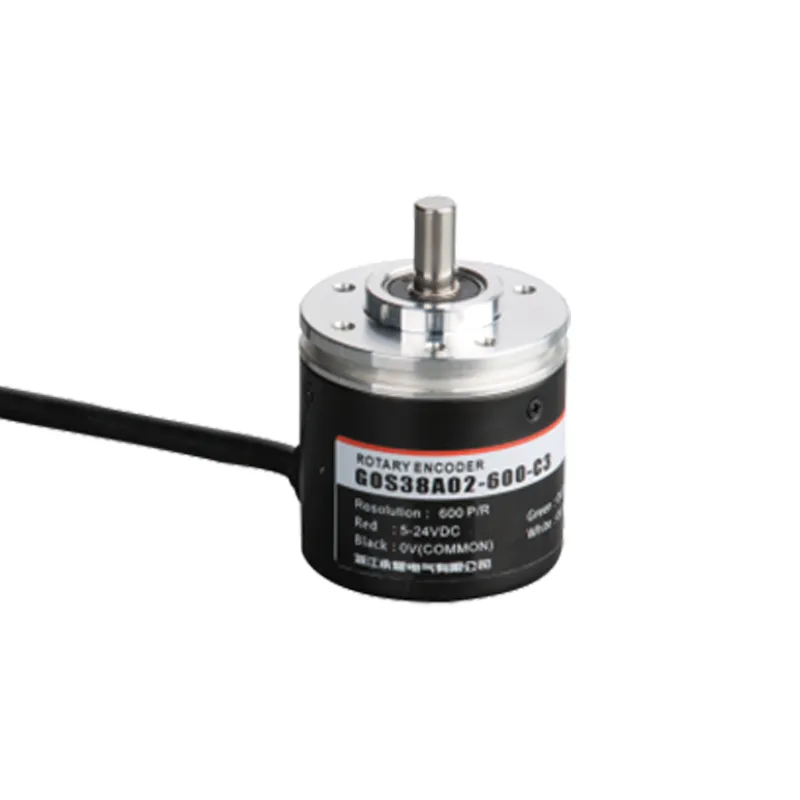
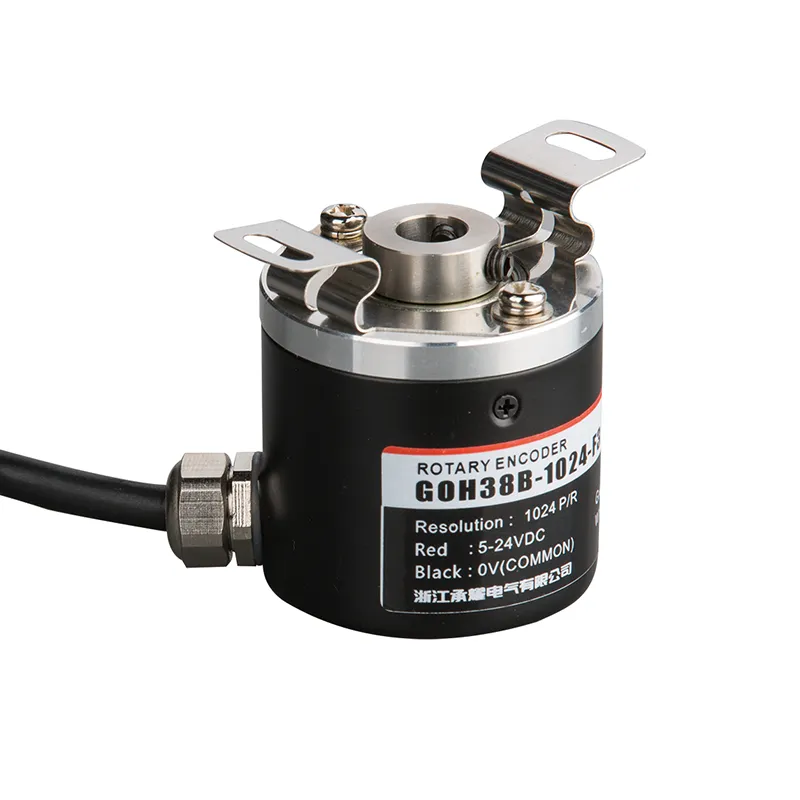
An incremental encoder generates signals that indicate movement rather than a fixed position. It produces A and B channels (and often Z for home reference) to track relative motion. By counting pulses from these channels, a controller derives position and speed. Incremental encoders require a known reference point or a homed process after power-up, since there is no inherent position memory. They are famous for high resolution, simplicity, and cost-effectiveness in many motion control tasks. Incremental encoders can be optical or magnetic and come with various interface options like quadrature, line driver, or SSI adapters in some designs.
In the table below, we summarize fundamental distinctions between Absolute Encoder vs Incremental Encoder. This quick reference helps you focus on the most impactful factors for your decision.
| Dimension | Absolute encoder | Incremental encoder |
|---|---|---|
| Position data on power-up | Yes, exact position | No, requires homing or reference |
| Output data type | Fixed position value | Relative motion counts (pulses) |
| Resolution approach | Fixed per turn or multi-turn | Pulses per revolution; higher depending on design |
| Reference requirement | None after power-up | Yes, needs a homing cycle |
| Fault tolerance | Higher, loses minimal data on restart | Potential data loss if power is interrupted mid-count |
| Cost | Generally higher | Usually lower |
| Applications | Robotics, CNC, medical devices, elevators | Conveyor systems, simple motor control, printing, packaging |
| Size and ruggedness | Varied; often compact and robust | Varies; common in cost-sensitive designs |
Choosing between these encoders hinges on application requirements. Here are the most critical decision criteria with practical notes.
Reliability after power loss: If your system frequently experiences power interruptions or you must resume precisely where you left off, absolute encoders offer a clear advantage because they report exact position immediately after power is restored.
System complexity and cost: If you’re designing a lower-cost, high-volume device where a homing cycle at startup is acceptable, incremental encoders can be an economical and reliable choice.
Required pose memory: If you need to remember multiple positions across tasks or after device reset, absolute encoders provide persistent position data without re-homing.
Update rate and resolution: High-speed applications may favor incremental encoders due to very high pulse rates and simple wiring. Absolute encoders can achieve high resolution too, but the architecture and interface impact cost and data throughput.
Environment and ruggedness: Magnetic encoders tend to handle harsh environments better than some optical encoders. If dust, oil, or vibration is a concern, consider ruggedized versions of either type, with sealed housings and robust interfaces.
Integration with control system: Some projects benefit from interface compatibility—for example, SSI or BiSS interfaces are common with absolute encoders, while incremental models often use simple quadrature outputs. Ensure your controller supports the chosen interface.
Hybrid solutions: Some systems blend absolute and incremental encoders to balance reliability and cost. For instance, an incremental encoder provides high-resolution motion data, while an absolute encoder supplies a known reference snapshot after power cycles.
Multi-turn accuracy: For applications that require long-term positioning across power cycles, multi-turn absolute encoders can store position across revolutions and even days or weeks, depending on the design.
Data integrity in distributed systems: For remote or networked automation, encoder data often travels through networks or fieldbuses. Select encoders with robust error detection and correction capabilities to minimize misreadings in noisy environments.
Diagnostics and maintenance: Modern encoders include self-tests, status flags, and diagnostic APIs. These features help predictive maintenance programs and can reduce unexpected downtime.
Energy efficiency: Some high-resolution encoders enable more precise motor control, which can lower energy consumption by reducing overshoot and improving velocity profiling.
High-precision robotics: Absolute encoders deliver quick, reliable initial positions after power-up, which is valuable for robotic arms that must resume tasks instantly after a shutdown.
CNC machines and milling: Both encoder types can work, but absolute encoders help retain the final setpoint after unexpected stops, reducing setup time.
Material handling and conveyors: Incremental encoders excel in high-speed, cost-sensitive environments where precise homing is feasible during startup.
Elevators and hoists: Absolute encoders provide safe and reliable position recall after outages, improving safety and user experience.
Real-world selection checklist
Choosing between an absolute encoder and an incremental encoder is less about one being universally better and more about matching the solution to your application needs. Absolute encoders shine in scenarios where immediate, guaranteed position data after power-up matters and where fault tolerance and reference-free operation improve productivity.
Incremental encoders offer a cost-effective, high-resolution option when homing at startup is acceptable and the application benefits from simple wiring and robust high-speed performance. By understanding the strengths and trade-offs of each type—and by evaluating your system’s power stability, precision requirements, and environmental conditions—you can make a confident choice that drives reliability, performance, and return on investment.
If you’d like, I can tailor a concrete recommendation for your specific machine, including a shortlist of suitable models, interfaces, and a starter bill of materials. Would you like to share your target resolution, axis count, and approximate operating environment to refine the recommendation?
The main advantage is that it reports a unique position value at any time, including immediately after power-up, without requiring a homing cycle.
Yes, especially magnetic or ruggedized absolute encoders designed for industrial environments with dust, moisture, and vibration. However, optical absolute encoders can be sensitive to contaminants and require protective housings.
They can be more expensive, and some designs may have more complex wiring or higher data bandwidth requirements. They may also require calibration to map their position data to physical coordinates.
If your system needs to track position over many revolutions without losing reference after power cycles, a multi-turn encoder is beneficial.
Yes, at startup the controller must perform a homing cycle or rely on an external reference to establish a known position.
Common interfaces include SSI, BiSS, Endat, and quadrature outputs. Choose an interface compatible with your controller and network architecture.
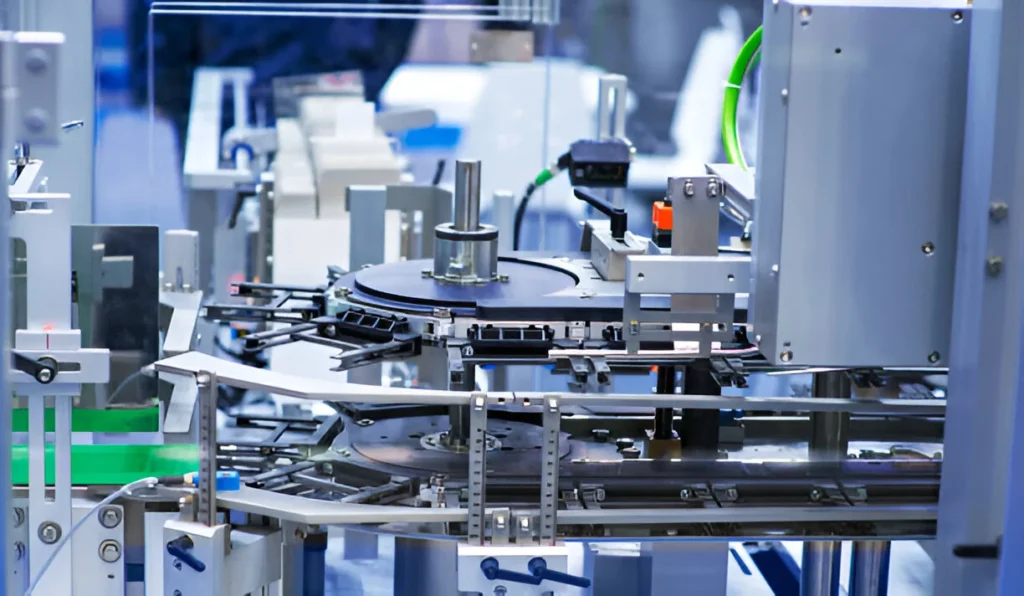
Compare incremental encoder vs absolute encoder to choose the best rotary encoder for accuracy speed and reliable position feedback in industrial applications
Read More
In today’s world of industrial automation and smart manufacturing, encoders play an essential role. They help machines “see” position and movement, making precise control and feedback possible. Whether it’s a robot, CNC machine, or automated production line, encoders are key sensor devices. As a professional encoder supplier, we understand that every customer has unique needs. […]
Read More
Discover the key differences between quadrature and incremental encoders with expert insights on operation, resolution, and best selection tips.
Read More