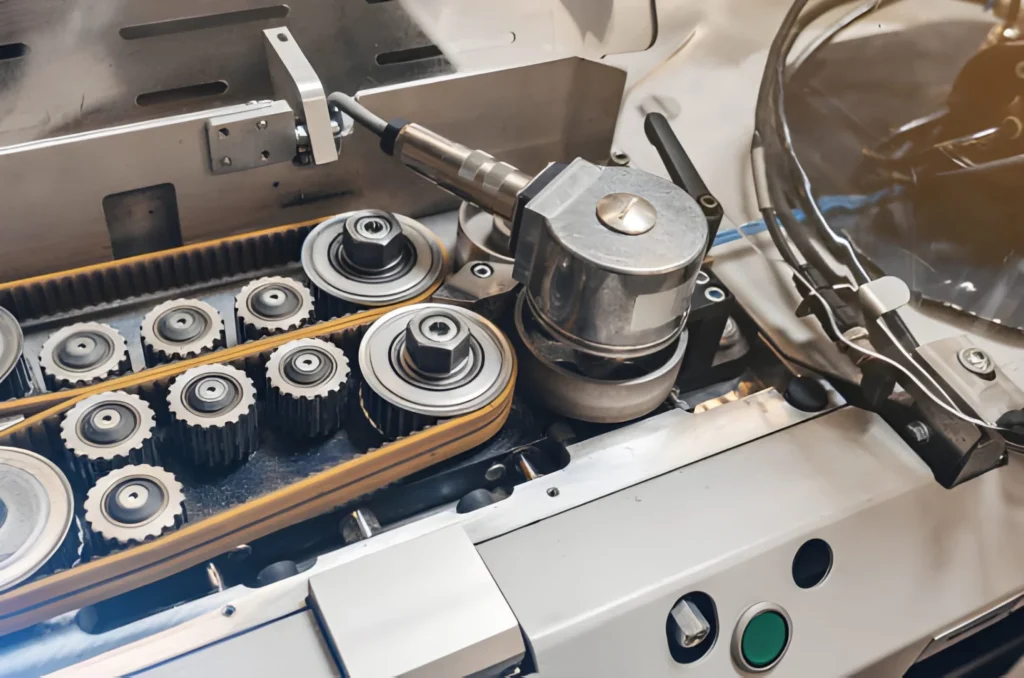
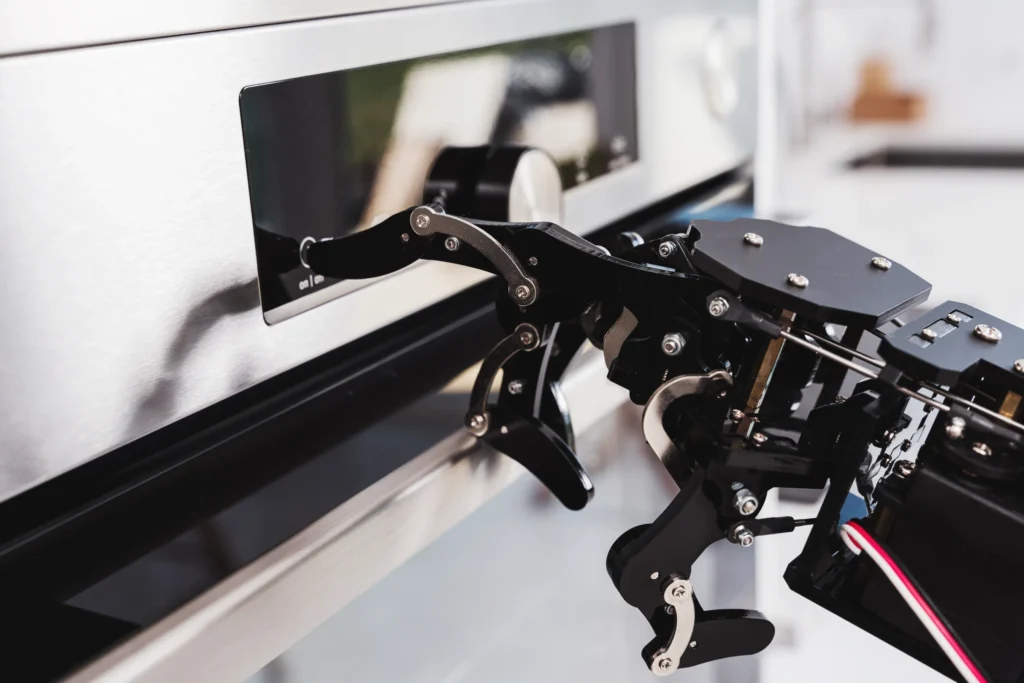
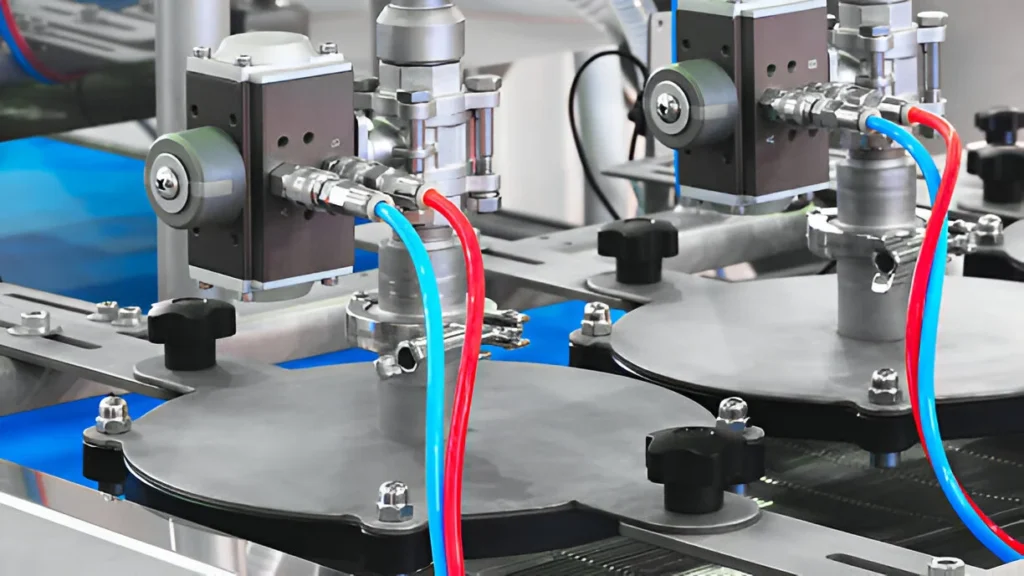
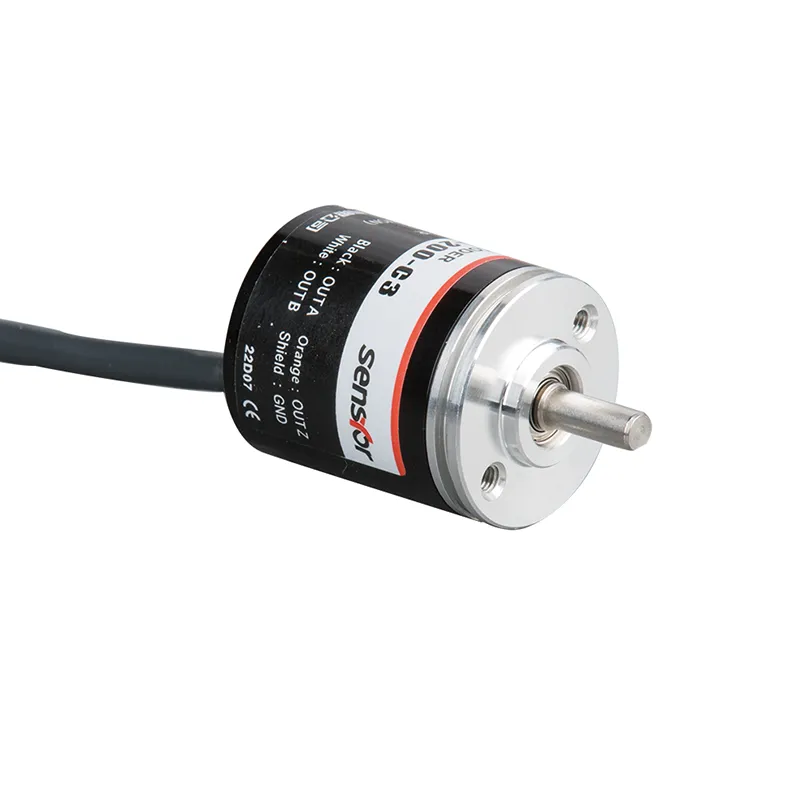
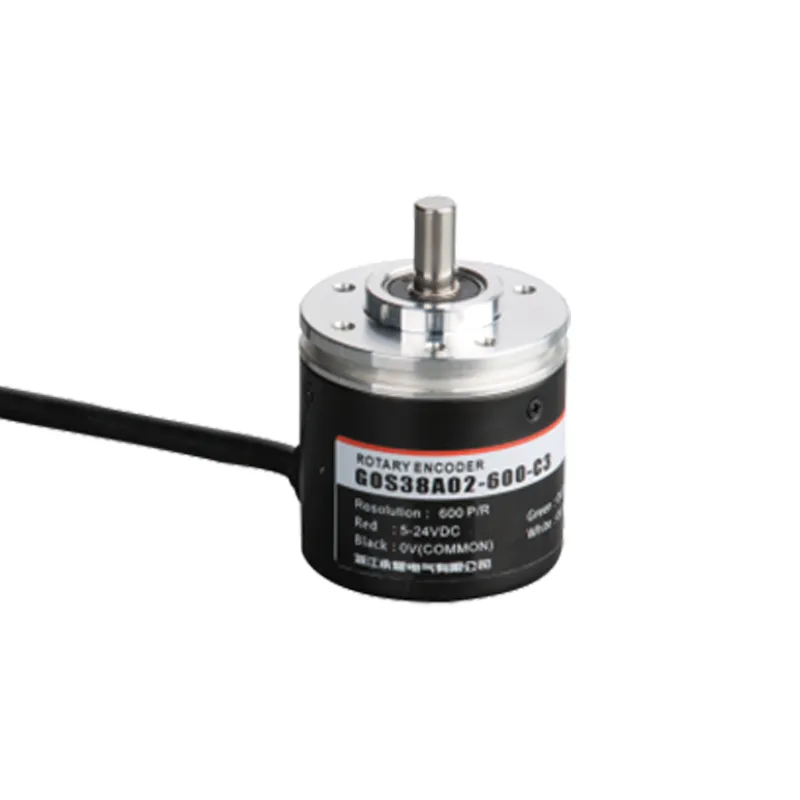
In the world of modern manufacturing and industrial automation, Incremental Shaft Encoder for accuracy and position tracking play a vital role. Whether it’s controlling the speed of a conveyor, monitoring the rotation of a robotic arm, or ensuring a CNC machine operates with micrometer-level precision, one small yet essential device makes it all possible — the incremental shaft encoder.
But what exactly is an incremental shaft encoder, and why is it crucial for today’s industrial applications? Let’s explore everything you need to know, from working principles and types to selection tips for your business.
What Is an Incremental Shaft Encoder?
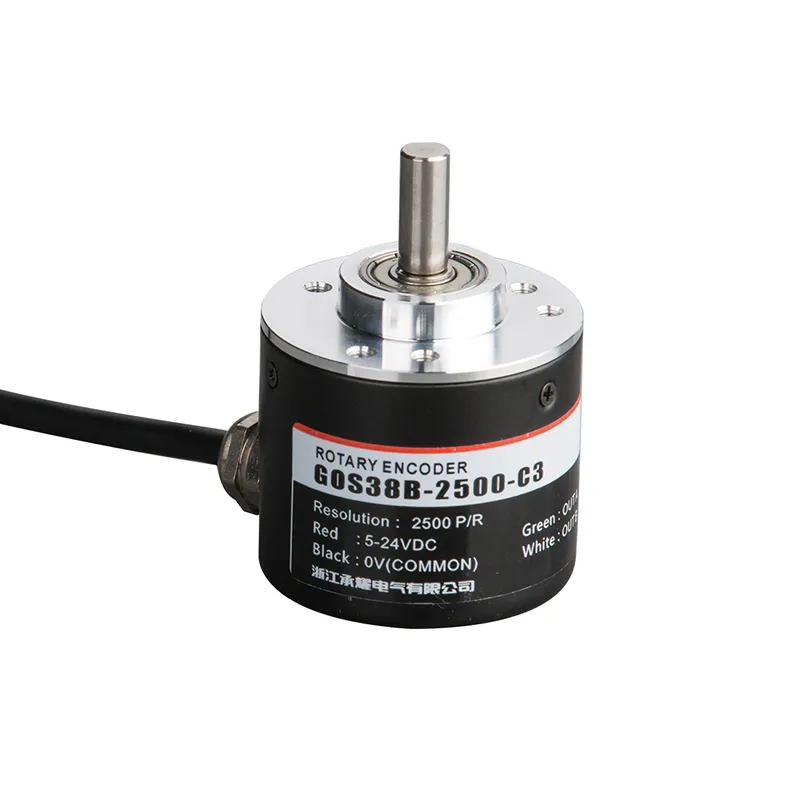
What Is an Incremental Shaft Encoder? An GOS38Bincremental shaft encoder is a type of rotary encoder that converts the rotational position or motion of a shaft into electronic signals. Each rotation generates pulses that indicate movement direction and speed. Unlike an absolute encoder, which provides a unique position value, the incremental encoder focuses on changes in position relative to a reference point.
This makes it especially useful for speed control, position tracking, and feedback systems in automation devices.
Common Applications Include:
Robotics – Motion control in joints and actuators.
CNC machinery – Real-time spindle speed feedback.
Conveyor systems – Accurate line speed synchronization.
Industrial motors – Closed-loop control and efficiency monitoring.
Printing and textile machines – Alignment and precision feed.
Every pulse from an incremental shaft encoder corresponds to a small angular movement, enabling the control system to measure speed, direction, and even distance traveled.
A code disk with evenly spaced lines (or slots) is attached to the rotating shaft.
As the disk spins, an optical sensor or magnetic sensor detects these lines.
The system translates these detections into electrical pulses.
The control system interprets these pulses to determine speed, acceleration, and rotational direction.
Incremental encoders typically generate two output channels (A and B). These are phase-shifted signals that allow systems to determine rotation direction and pulse count. Some advanced encoders include a third Z channel that provides a precise reference position, known as the “index pulse.”
Component
Function
Importance
Code Disk
Contains dividing lines used for detection.
Determines resolution.
Sensor Module
Reads lines and generates electrical signals.
Enables position feedback.
Output Circuits (A, B, Z)
Transmit pulse data to controller.
Determine direction and speed.
Such precision allows the encoder to deliver reliable position feedback even in high-speed operations — essential for automation and robotics.
Types of Incremental Shaft Encoders
Different industrial settings require different encoder types. The three most common variants are:
Optical Incremental Encoders – Use a light source and photodiode array. They offer high resolution and are ideal for clean environments, such as electronics assembly lines.
Magnetic Incremental Encoders – Use magnetic sensing to detect changes in rotation. They’re robust, tolerate dust, oil, and vibration, and are suitable for heavy-duty machinery.
Capacitive Incremental Encoders – Employ capacitive sensing for longer life and stability under temperature variations. They’re often used where both performance and compact design matter.
Encoder Type
Detection Principle
Advantages
Industrial Use
Optical
Light and sensors
High accuracy
Electronics, CNC, robotics
Magnetic
Magnetic field sensing
Dust and oil resistant
Motors, conveyors
Capacitive
Capacitance variation
Stable, long lifespan
Automation systems
Understanding your operating environment and performance requirements helps in choosing the right encoder technology for your system.
Incremental encoders provide pulses that show position changes. They need a reference reset at start-up.
Absolute encoders, on the other hand, provide a unique digital code for each shaft angle, even after power loss.
Feature
Incremental Encoder
Absolute Encoder
Output
Pulses
Absolute position value
Startup
Needs homing
No homing required
Cost
Lower
Higher
Precision
High
Very high
Use Case
Speed, direction control
Position tracking
For most motor control, speed feedback, and conveyor monitoring applications, incremental encoders are cost-effective and sufficient. For applications that need position retention, such as robotics calibration, the absolute type is preferred.
Key Features to Consider When Choosing an Incremental Shaft Encoder
When selecting an encoder for industrial use, here are crucial aspects to evaluate:
Resolution (Pulses per Revolution, PPR): Determines precision. Higher PPR means finer control.
Output Type: Choose between TTL, HTL, or Open Collector, depending on your control system.
Shaft Size and Mounting: Must fit your motor or mechanical interface.
Material and Protection: For harsh environments, opt for metal housings with IP65 or IP67 ratings.
Operating Temperature Range: Ensure stable performance under extreme conditions.
Cable Length and Connector Type: Affects signal integrity and installation flexibility.
Reliable encoder manufacturers often provide customized configurations for shaft size, resolution, and cable termination. If you’re sourcing for industrial automation, requesting a custom encoder design can improve system compatibility and reduce integration cost.
Industrial Applications of Incremental Shaft Encoders
The beauty of the incremental shaft encoder is its versatility. From simple feedback loops to advanced robotic systems, these sensors serve multiple industries:
Factory automation – Synchronizing assembly lines and conveyor motion.
Material handling – Tracking position in automated storage systems.
Packaging machines – Ensuring precise filling and labeling.
Robotics and drones – Stabilizing movement and angular alignment.
Wind turbines – Monitoring rotor speed and angle.
In a world increasingly driven by Industry 4.0 and smart manufacturing, integrating accurate rotary sensors is no longer optional; it’s a competitive necessity.
Common Issues and Maintenance Tips
Even the most durable encoders need care. Here’s how to keep your incremental shaft encoder operating efficiently:
Keep sensors clean – Dust and debris can distort signals, especially in optical encoders.
Monitor output signals – Irregular pulse patterns often indicate dirt or misalignment.
Regular calibration – Helps maintain consistency in measurement and reduces drift errors.
Protect from vibration – Use shock-proof mounts if the encoder is near moving motors.
By following these steps, your encoder can deliver smooth and reliable data transmission for years.
The incremental shaft encoder remains one of the most practical and efficient solutions for real-time speed and position monitoring in industrial automation. Whether you manage a packaging line, robotics arm, or production conveyor, choosing a reliable encoder directly impacts your system’s precision and productivity.
If you’re looking to integrate or upgrade your motion control systems, it’s time to consider high-resolution incremental encoders tailored for your specific environment and machinery.
Contact us today to request a quotation or discuss technical specifications for your next project — precision starts with the right encoder.
FAQ
How accurate is an incremental shaft encoder?
Accuracy depends on its pulse resolution. High-end models can detect movement as small as 0.01° per pulse.
Can incremental encoders work in outdoor environments?
Yes. Magnetic or IP67-rated encoders are designed for harsh outdoor use, resisting moisture and dust.
What’s the difference between an incremental and rotary encoder?
All incremental encoders are rotary encoders, but not all rotary encoders are incremental. Rotary encoders include both incremental and absolute types.
How do I choose between optical and magnetic encoders?
Go for optical in clean settings requiring high precision, and magnetic where durability is essential.
Do incremental encoders need calibration?
Yes, especially for long-term industrial use. Calibration ensures pulse accuracy and system reliability.
Can I customize encoder parameters?
Most manufacturers allow customization in PPR, shaft dimension, output configuration, and cable type. Contact your supplier directly for OEM or ODM support.
Where can I buy industrial incremental shaft encoders?
You can source high-quality incremental shaft encoders from professional encoder manufacturers who provide customization, stable supply, and after-sales support. Request a quote today to find models compatible with your automation systems.
In industrial automation and motion control, knowing exactly how far something has turned—or how fast it’s moving—can be the difference between smooth precision and costly errors. That’s where incremental shaft encoder come in. These small but powerful devices play a critical role in modern machinery, offering real-time position and speed feedback that keeps manufacturing lines, robotics, and […]
In modern automation and motion control, precision is everything. Whether you’re designing a robotic arm, upgrading a conveyor system, or developing industrial machinery, one question always surfaces: Should you choose an absolute encoder or an incremental encoder? At first glance, both devices seem to perform the same task — measuring position and speed. But when you […]
We use cookies to enhance your browsing experience, serve personalised ads or content, and analyse our traffic. By clicking "Accept All", you consent to our use of cookies.