Incremental Encoder
Incremental vs Absolute Encoder Differences and How to Choose
Compare incremental vs absolute encoder types to find the best solution for precise position feedback cost reliability and industrial applications
Read More
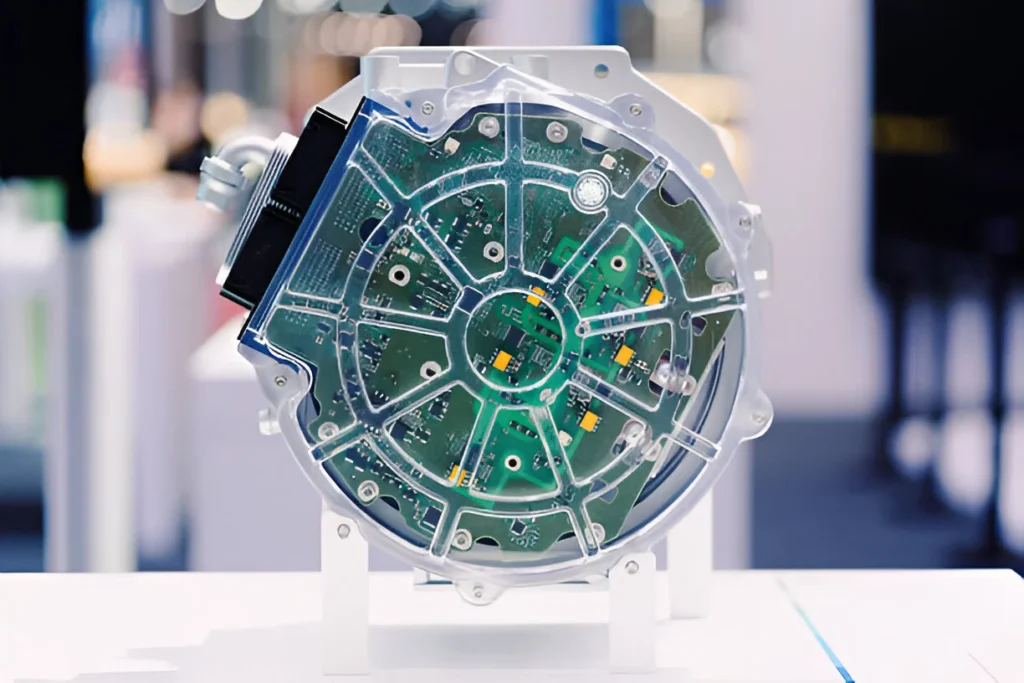
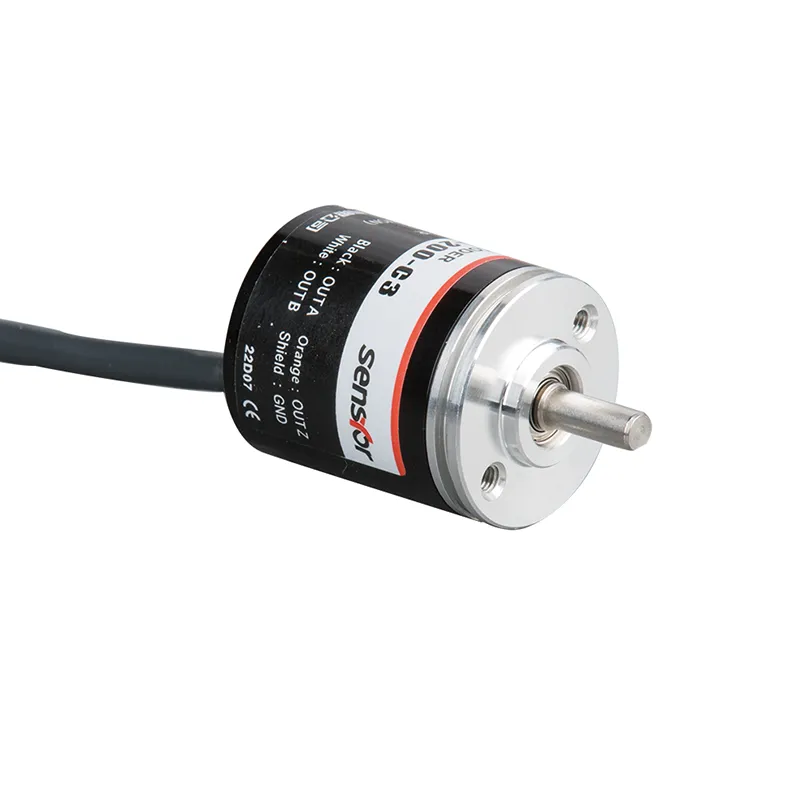
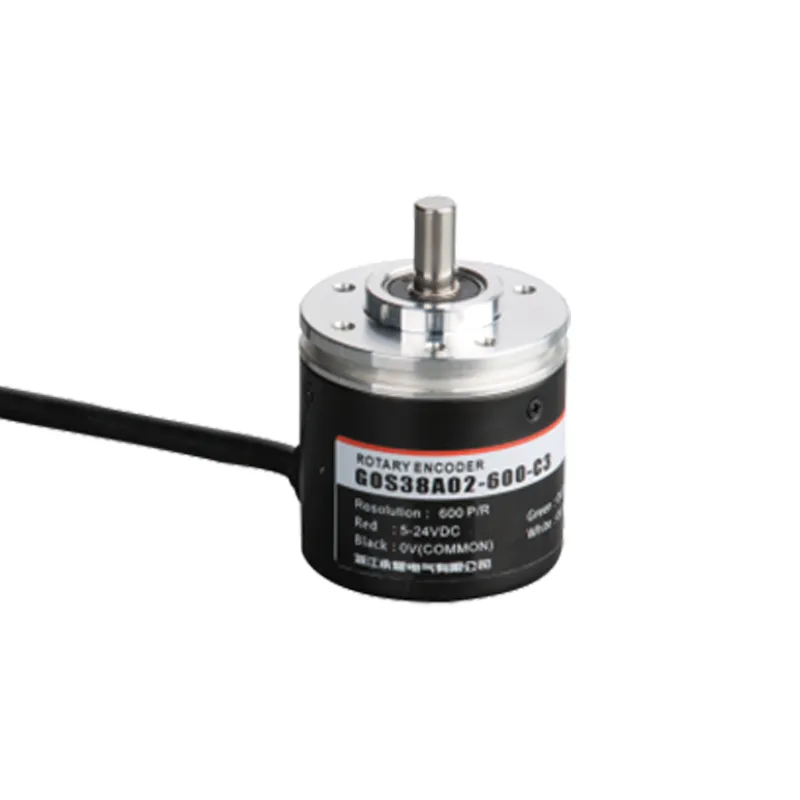
An optical incremental encoder is a precision sensor used to measure rotary or linear position and speed in motion control systems. It converts mechanical motion into digital signals by detecting interruptions in a light beam through a patterned code disc.
It provides real-time feedback to controllers, enabling accurate positioning, speed regulation, and direction sensing in automated machinery, robotics, and industrial equipment.
| Component | Function |
|---|---|
| LED Light Source | Emits light passing through the code disc |
| Code Disc | Transparent disc with opaque patterns generating pulses |
| Photodetectors | Detect light interruptions to create electrical signals |
| Quadrature Signals A/B | Two channels out of phase to indicate direction and speed |
| Index Signal Z | Marks a reference or zero position per revolution |
The LED shines light through a transmissive optical encoder disc or reflects off a pattern in a reflective incremental encoder. Photodetectors sense light pulses to produce ABZ encoder signals, allowing for precise movement tracking.
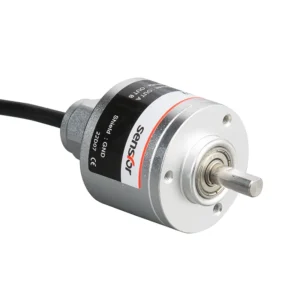
Rotary Encoders: Solid shaft or hollow shaft encoder versions available based on machinery design.
Linear Encoders: Measure straight-line motion with similar optical principles.
| Advantages | Disadvantages |
|---|---|
| High-resolution and fast response | Sensitive to dust and dirt |
| Stable and noise-resistant signals (TTL, HTL output) | Requires clean environment or sealed housing |
| Cost-effective for high-precision tasks | Can be affected by vibration if not mounted properly |
| Feature | Optical Encoder | Magnetic Encoder |
|---|---|---|
| Resolution | High (up to tens of thousands PPR) | Lower (usually fewer pulses) |
| Accuracy | Superior precision | Moderate accuracy |
| Cost | Moderate | Generally less expensive |
| Operating Environment | Sensitive to contaminants | More rugged in harsh settings |
| Signal Output | Clean quadrature signals (ABZ) | Often noisier signals |
| Aspect | Incremental Encoder | Absolute Encoder |
|---|---|---|
| Position Output | Relative pulses only | Unique position code |
| Complexity | Simple, cost-effective | More complex, pricier |
| Use Cases | Speed and position control | Critical position referencing |
This comprehensive overview highlights how optical incremental encoders combine precision, reliability, and affordability, making them essential in modern automation and control systems worldwide.
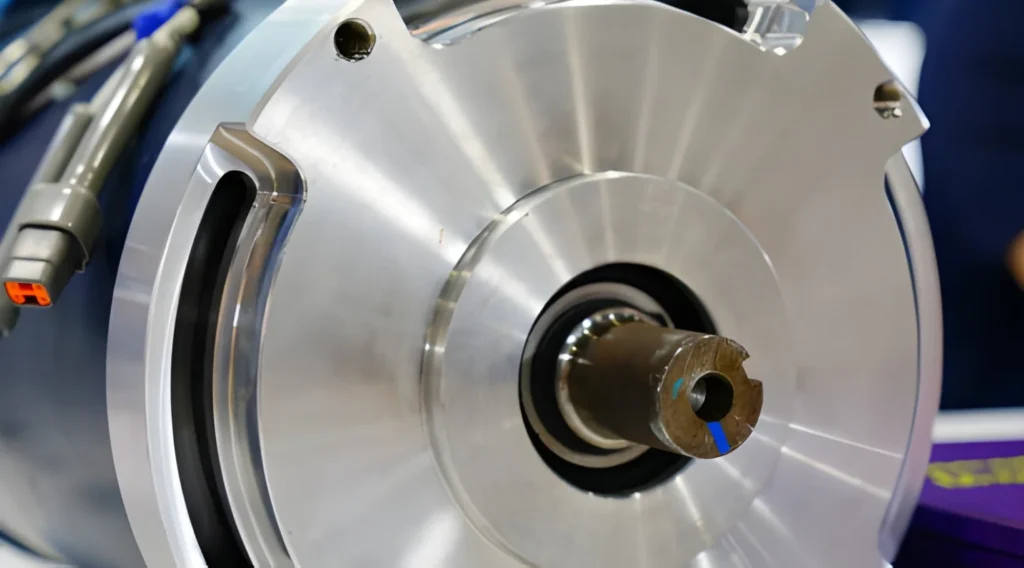
Compare incremental vs absolute encoder types to find the best solution for precise position feedback cost reliability and industrial applications
Read More
In modern automation and motion control, precision is everything. Whether you’re designing a robotic arm, upgrading a conveyor system, or developing industrial machinery, one question always surfaces: Should you choose an absolute encoder or an incremental encoder? At first glance, both devices seem to perform the same task — measuring position and speed. But when you […]
Read More
In today’s world of industrial automation and smart manufacturing, encoders play an essential role. They help machines “see” position and movement, making precise control and feedback possible. Whether it’s a robot, CNC machine, or automated production line, encoders are key sensor devices. As a professional encoder supplier, we understand that every customer has unique needs. […]
Read More