In the fast-advancing world of industrial automation, precision and reliability are everything. Whether you’re designing a robotic arm, upgrading a CNC system, or integrating motion control into packaging machinery, choosing the right type of rotary encoder—absolute vs Incremental Encoders—can make a real difference.
While both technologies measure rotation and position, they operate on different principles and serve different needs. But here’s the kicker—when it comes to simplicity, cost efficiency, and high-speed feedback, incremental encoders often hold the upper hand.
So, what exactly gives incremental encoders the edge? Let’s dive deeper.
How Incremental Encoders Work
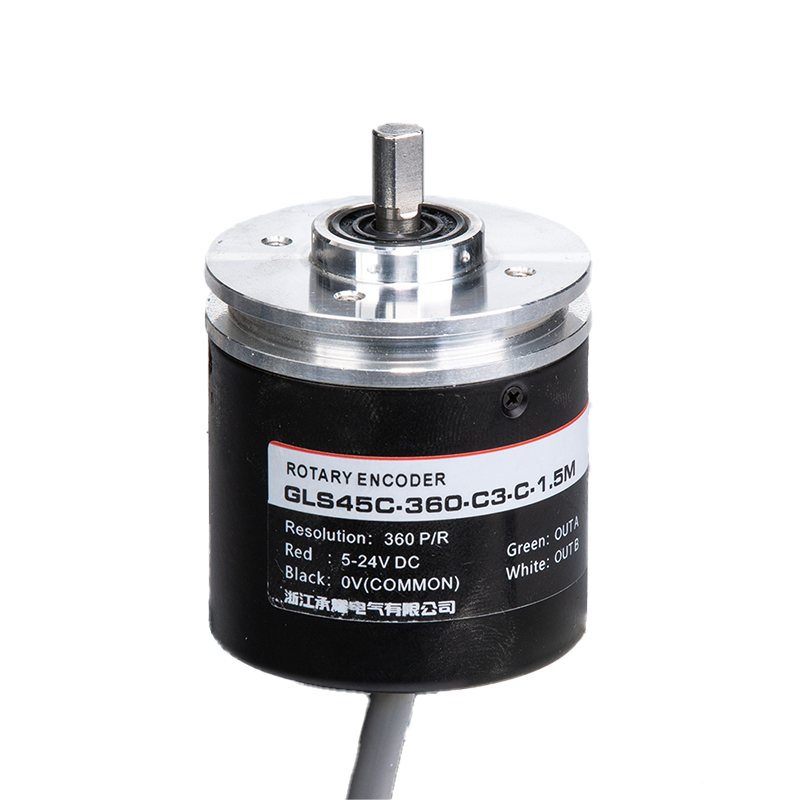
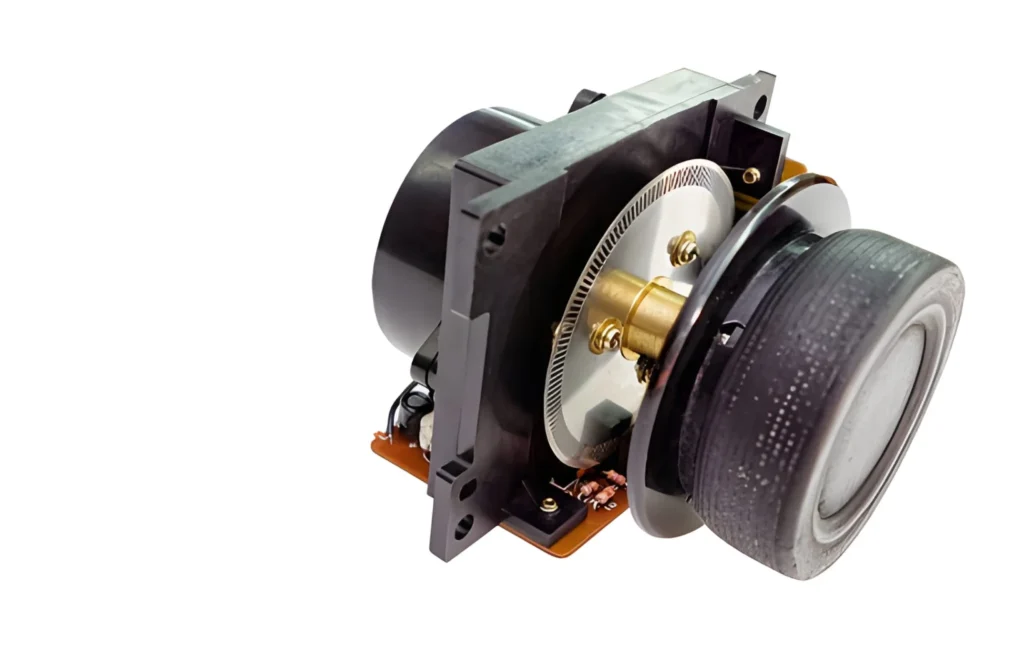
An encoder converts mechanical motion into digital electrical signals. These signals are essential for motor control systems, automation equipment, and feedback loops in industrial applications.
Two main categories exist:
Absolute encoders: Each shaft position corresponds to a unique digital code. When powered back on, the system knows the exact position immediately—no reference needed.
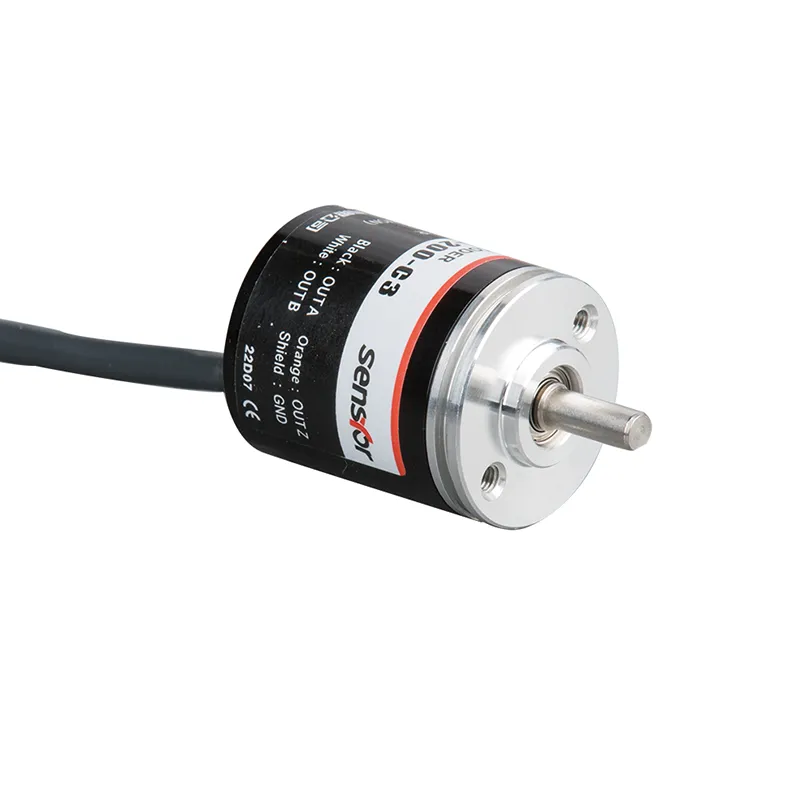
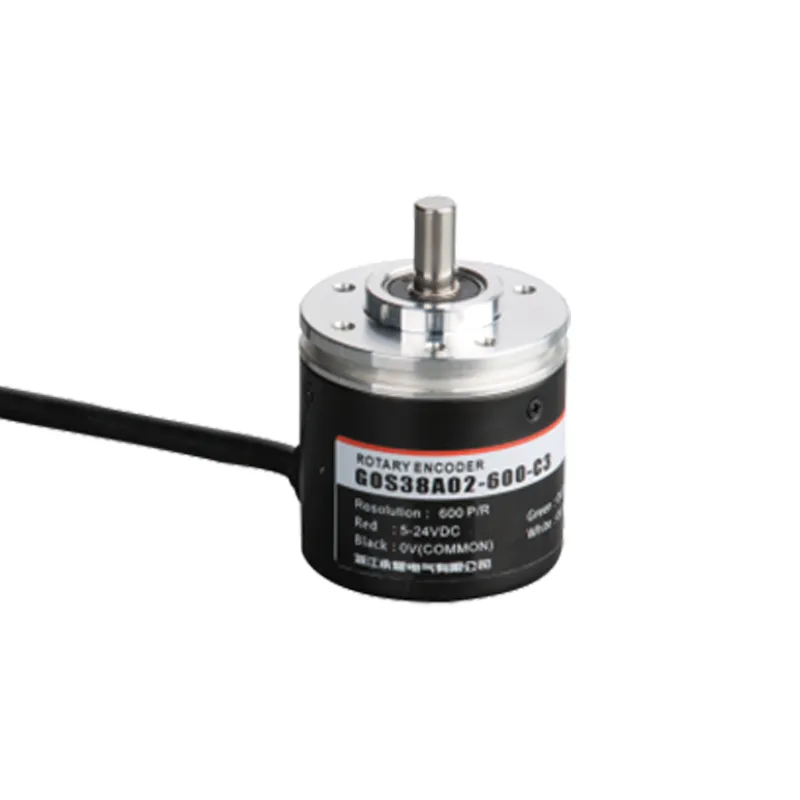
Incremental encoders: They output pulses as the shaft rotates. The system counts these pulses to determine position and speed, usually referencing a starting point or “home” position after startup.
Here’s a quick comparison:
Feature
Absolute Encoder
Incremental Encoder
Output type
Binary word (digital code)
Pulse train (A, B, Z channels)
Position memory
Non-volatile (remembers position)
Volatile (needs reset)
Cost
Higher
More economical
Resolution
Very high (depends on bit depth)
High and adjustable
Common use
Robotics, precision positioning
Servo drives, speed monitoring, general automation
If your application values speed, reliability, and cost control, incremental encoders may be your best bet. Here are the main reasons why.
1. Simplicity Equals Reliability
Incremental encoders are mechanically and electronically simpler. They have fewer internal components, making them more robust in harsh environments—think dust, vibration, or high-speed rotation. Simplicity also translates to shorter lead times and lower failure rates, which any B2B purchaser can appreciate.
2. Cost Efficiency Without Compromise
In industrial projects where you might deploy dozens—or hundreds—of encoders, cost adds up quickly. Incremental encoders offer significant savings while still meeting performance requirements for most motion feedback tasks.
This cost-to-performance ratio is one reason why incremental encoders dominate in servo motors, elevators, conveyors, and printing machines.
3. High-Speed Feedback and Resolution
Incremental encoders excel in velocity feedback. They can transmit precise pulse frequencies proportional to shaft speed, providing excellent real-time speed control.
Some types, such as optical incremental encoders, can achieve resolutions up to tens of thousands of pulses per revolution (PPR). Engineers often pair them with frequency multipliers or interpolation circuits for even greater precision.
4. Easy Integration With Control Systems
Most PLC systems, motion controllers, and servo drives are already optimized for incremental encoder signals—specifically the A, B, and Z channels. This plug-and-play compatibility means:
No need for special hardware interfaces.
Simplified wiring and maintenance.
Faster commissioning during production line setup.
5. Flexible Customization
Need a specific shaft size, output type (TTL, HTL, Push-pull, Open Collector), or connector standard? Incremental encoders offer unmatched customization for diverse industrial standards.
Key Applications in Modern Industries
Incremental encoders play a vital role in a wide range of automation sectors. Some examples include:
Industry
Common Applications
Benefits
Robotics
Arm joint control, wheel odometry
Real-time motion feedback, smooth motor control
Packaging Machinery
Cutter position, speed synchronization
Affordable precision, fast signal processing
CNC and Machine Tools
Spindle control, feed rate monitoring
High-resolution feedback, durable design
Elevators & Lifts
Shaft position monitoring
Compact design, reliable pulse output
Material Handling
Conveyor synchronization
Simplified control, lower maintenance cost
From industrial automation sensors to manufacturing robotics, incremental encoders continue to deliver stable and repeatable results, driving efficient production on every level.
We specialize in OEM and B2B orders. Contact our sales team for custom incremental encoders solutions, or samples for testing.
Of course, absolute encoders do have their place. If your application requires precise position tracking after a power loss, or if you’re working in environments where homing procedures are impractical, the absolute encoder wins hands down.
Here’s a brief side-by-side view:
Scenario
Recommended Encoder Type
Power loss recovery needed
Absolute encoder
Continuous speed monitoring
Incremental encoder
Multi-axis robotics
Absolute encoder
Cost-sensitive automation lines
Incremental encoder
Real-time speed control
Incremental encoder
Harsh environmental conditions
Incremental encoder with IP-rated housing
Long-Term Maintenance and Cost of Ownership
While absolute encoders may save time during power-up, incremental encoders typically offer lower total cost of ownership.
Their simpler electronics and standardized output signals make them easier to replace or integrate, even across brands. Suppliers often maintain large inventories and short lead times—ideal for OEM and industrial buyers.
With many manufacturers offering high ingress protection (IP65, IP67) and stainless steel housings, today’s incremental encoders are tougher and more durable than ever.
Choosing the Right Encoder for Your Project
Selecting the right encoder depends on your priorities: position accuracy, speed, cost, or resilience. To make an informed decision, ask yourself:
Do I need to know the absolute position upon startup?
What is my required resolution (PPR or CPR)?
What’s the environmental condition (humidity, dust, vibration)?
Which output signal type fits my controller (TTL, differential, open collector)?
What’s my expected lifetime and maintenance frequency?
For many engineering teams, the sweet spot between cost, simplicity, and performance often points toward incremental encoders.
If you’re sourcing encoders in bulk or upgrading existing systems, reach out to our team of motion control specialists. We can help you select the right incremental or absolute encoder model for your automation application.
When industries weigh absolute vs incremental encoder choices, it usually boils down to the application’s nature.
If your system demands fail-safe position tracking even after shutdown, the absolute encoder has the edge. But if your focus is cost control, speed feedback, and robust, straightforward performance, incremental encoders remain the go-to solution.
For OEMs, engineers, and industrial buyers seeking performance, flexibility, and availability, incremental encoders deliver consistent results without inflating budgets.
Looking to source high-quality incremental or absolute encoders for industrial automation? Send us your inquiry today—our experts are ready to help you find the ideal encoder for your needs.
FAQ
What’s the main difference between an absolute and incremental encoder?
An absolute encoder provides a unique position value at every angle, while an incremental encoder provides relative position via pulse counts.
Can an incremental encoder provide absolute position information?
Not directly. It requires a reference point, usually established through a homing sequence after startup.
Why are incremental encoders cheaper?
They use simpler circuits and signal processing, reducing component and production costs while maintaining reliable performance.
Are incremental encoders suitable for high-speed applications?
Yes. In fact, they are widely used in high-speed machinery because their pulse output allows real-time velocity detection.
How long do incremental encoders last?
With proper installation and sealing, they can function reliably for thousands of operational hours—ideal for factory automation.
Which encoder type is easier to maintain?
Incremental encoders are typically easier to replace and calibrate due to standardized designs and signal output formats.
Table of Contents
We specialize in OEM and B2B orders. Contact our sales team for custom incremental encoders solutions, or samples for testing.
When you work with motion control systems, a core decision is choosing the right encoder to track position and speed. Among the many options, absolute encoder and incremental encoder are the two most common types. Each has its own strengths, limitations, and ideal applications. Understanding how they differ—and how they can complement your design—helps you […]
In today’s world of industrial automation and smart manufacturing, encoders play an essential role. They help machines “see” position and movement, making precise control and feedback possible. Whether it’s a robot, CNC machine, or automated production line, encoders are key sensor devices. As a professional encoder supplier, we understand that every customer has unique needs. […]
We use cookies to enhance your browsing experience, serve personalised ads or content, and analyse our traffic. By clicking "Accept All", you consent to our use of cookies.