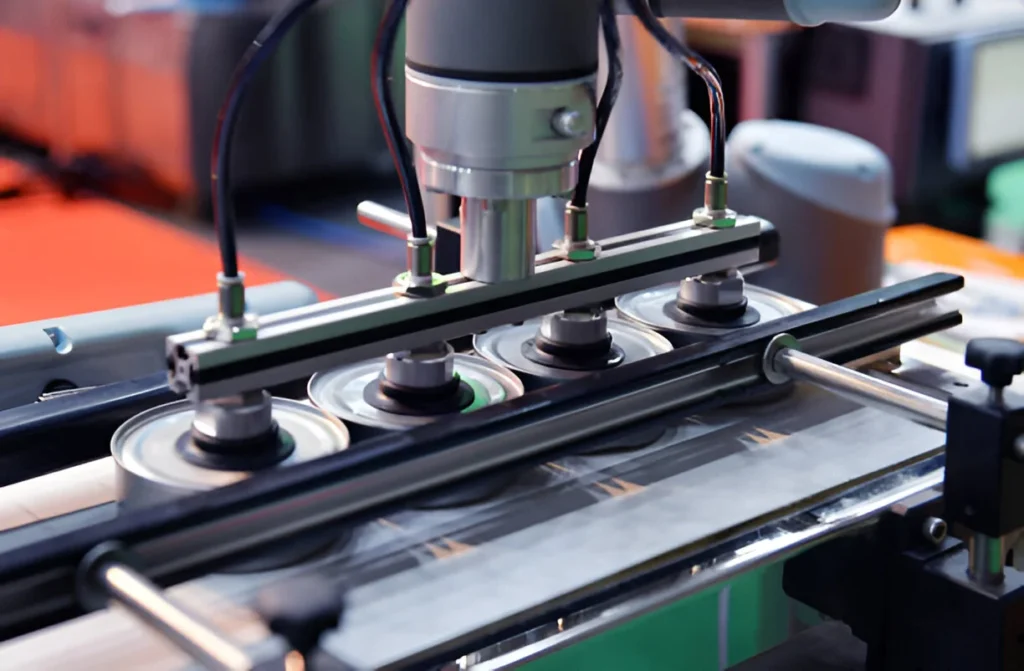
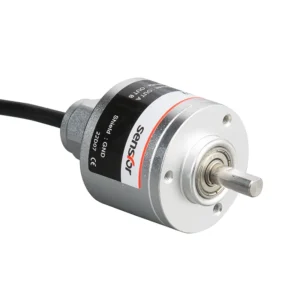
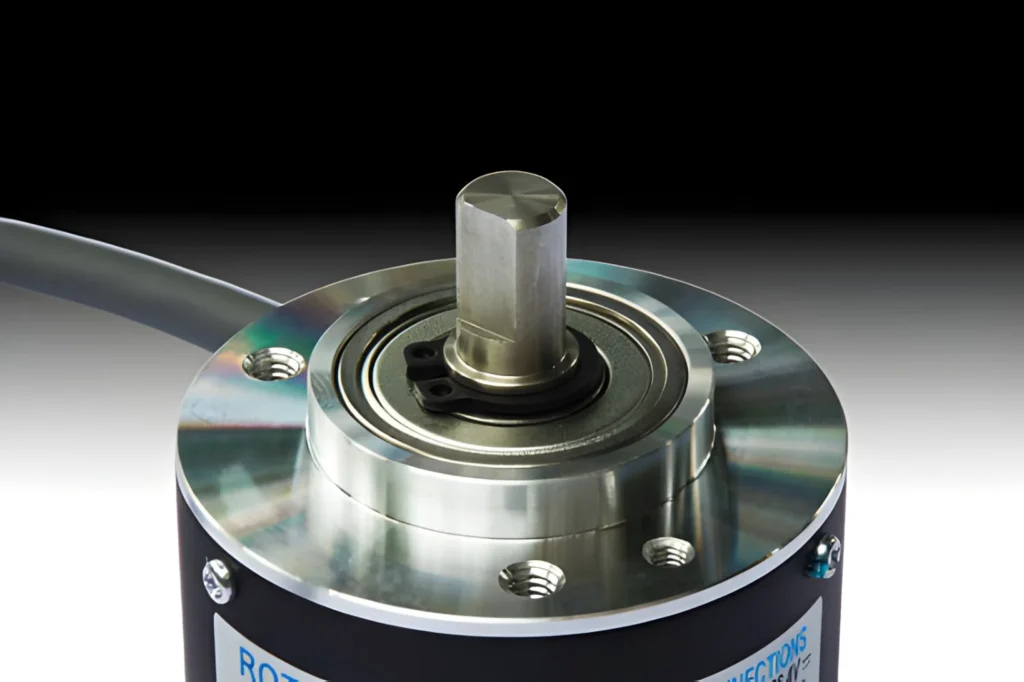
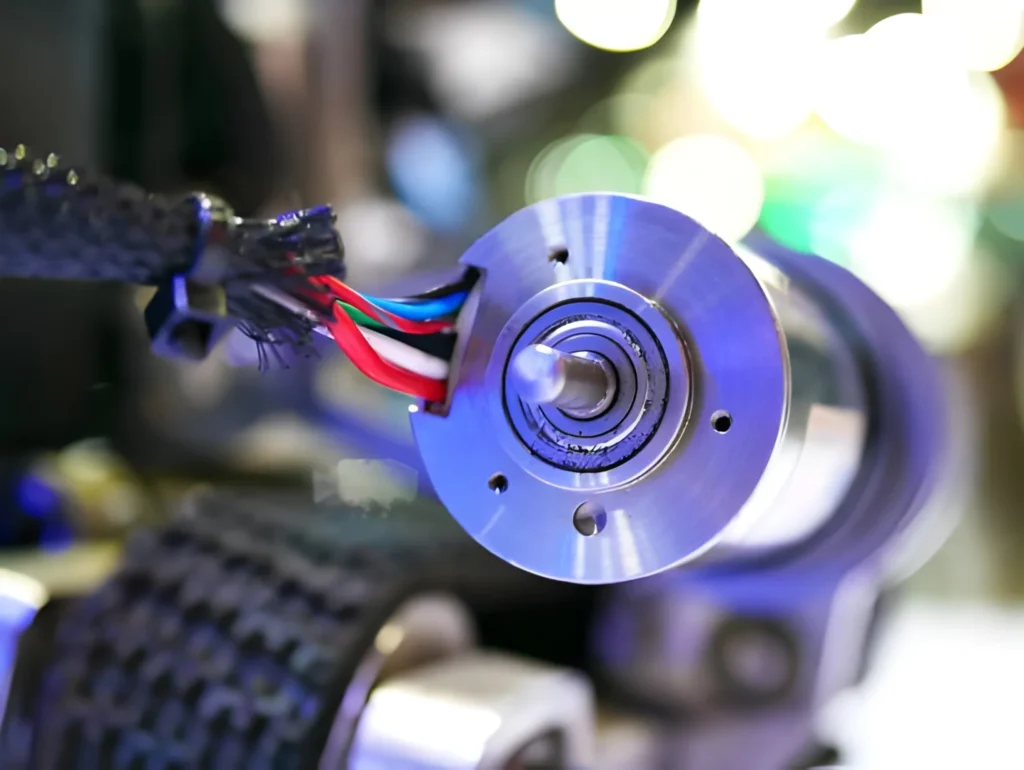
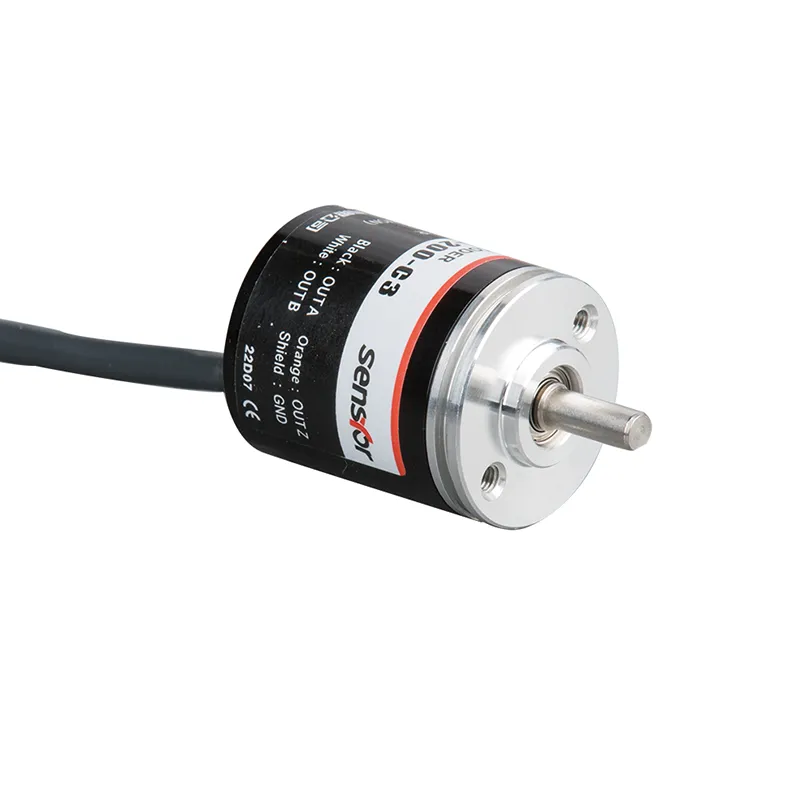
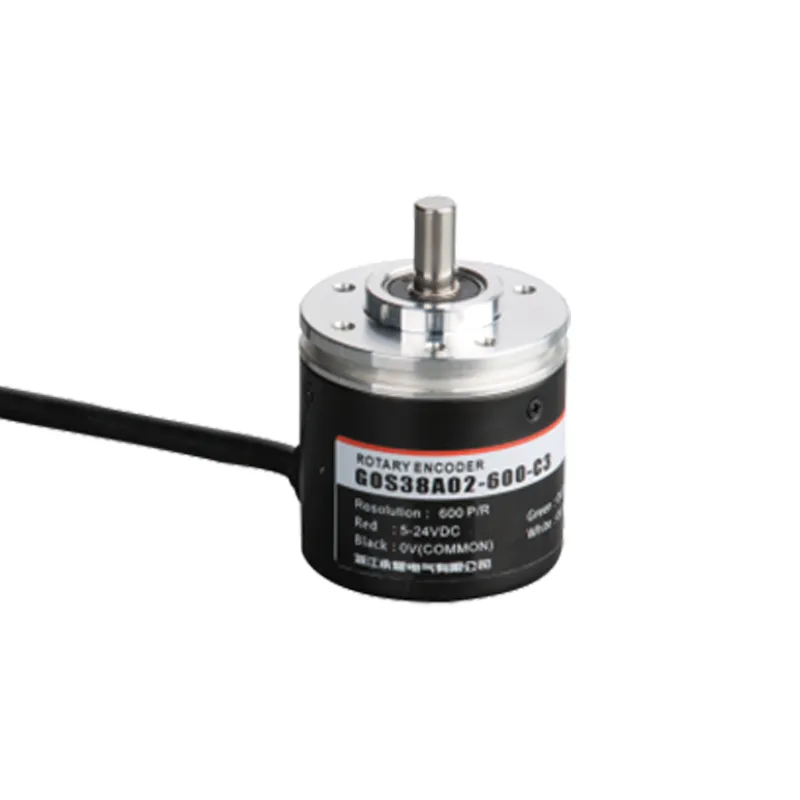
Incremental encoders are essential rotary sensors that provide real-time feedback on position, direction, and speed. They work by generating quadrature pulses through two output channels, typically labelled A and B. These pulses indicate movement by producing a stream of electrical signals as the encoder shaft rotates. The phase shift between channels A and B helps determine the direction of rotation, while counting the pulses lets you track relative position changes. Many incremental encoders also include an optional Z-pulse or index pulse, which offers a single reference point per revolution for precise calibration or homing.
Key Components of Incremental Encoders
Sensing technology: Most incremental encoders use either optical sensors with light interruption or magnetic sensors that detect changes in a magnetic field.
Shaft design: Available as solid shaft or hollow shaft models to fit various mounting needs.
Resolution: Measured in pulses per revolution (PPR), resolutions can range from a few hundred to several thousand pulses, providing the degree of accuracy required for different applications.
Advantages of Incremental Encoders
High-speed response: Suitable for fast-moving machinery, these encoders quickly output accurate position data.
Cost-effective and simple: Their straightforward design makes them affordable and easy to integrate, particularly for velocity control tasks.
Reliable velocity feedback: The pulse output readily translates to speed calculation, ideal for motor control and automation.
In , incremental encoders deliver precise, real-time motion data by converting mechanical rotation into clearly interpretable electrical signals, making them a vital component for many industrial control systems.
What Does ATEX Mean and Why Is Certification Essential?
ATEX stands for the EU directive 2014/34/EU, which sets strict safety rules for equipment used in explosive atmospheres. This certification ensures devices, like ATEX certified encoders, won’t ignite gases, dust, or vapors that could cause explosions.
Zones Explained: Gas and Dust Hazard Areas
Zone Type
Description
Examples of Risk Area
Gas Zones
Zone 0
Continuous or long-term presence of explosive gas
Inside tanks or pipelines
Zone 1
Likely to have explosive gas during normal operation
Pump rooms, compressor stations
Zone 2
Unlikely, and short duration of explosive gas presence
Control rooms near gas sources
Dust Zones
Zone 20
Continuous presence of explosive dust
Flour mills, grain silos
Zone 21
Occasional presence of explosive dust
Chemical plants, coal mines
Zone 22
Unlikely and short-term presence of explosive dust
Cement plants, factories
Typical ATEX markings you’ll find on equipment are like II 2G Ex db IIC T6 Gb, indicating the device’s suitability for specific zones, gas groups, and temperature classes.
Common Protection Methods
Flameproof (Ex d): The enclosure can withstand an internal explosion and prevent flames from escaping.
Intrinsically Safe (Ex i): Limits energy to prevent sparks or heat that could cause ignition.
Encapsulation (Ex m): The sensitive parts are enclosed to avoid contact with the explosive atmosphere.
ATEX vs. Other Global Standards
Standard
Coverage
Region
ATEX (2014/34/EU)
Mandatory for equipment in explosive atmospheres
European Union
IECEx
Global standard similar to ATEX, often accepted worldwide
International
UL/Class Division
Mainly for North American hazardous locations
USA and Canada
While ATEX incremental encoders are built for EU compliance, many suppliers offer versions certified with IECEx and UL to ensure worldwide acceptance.
For equipment in hazardous areas, certification like ATEX is not just a formality — it’s a safety necessity that ensures your devices, like explosion-proof rotary encoders, operate without risk of triggering a dangerous event.
ATEX Incremental Encoders vs. Standard Incremental Encoders
ATEX incremental encoders differ significantly from standard incremental encoders, mainly in their design and safety features. These encoders come with robust housings made from materials like stainless steel or aluminum, ensuring they are well-sealed against dust, moisture, and other contaminants. Unlike regular incremental encoders, ATEX models feature no-spark electronics and pressure-resistant enclosures to prevent any potential ignition sources in explosive atmospheres.
Safety is paramount for ATEX certified encoders. They include enhancements that stop sparks or heat from igniting gases or dust nearby. As a result, ATEX incremental encoders typically have higher IP ratings—often IP66 or IP67—offering excellent protection against harsh environmental elements. They also resist shocks and vibrations that occur frequently in industrial settings.
When it comes to performance in tough conditions, these encoders excel. They operate reliably across wide temperature extremes and provide strong corrosion resistance, making them ideal for chemical, petrochemical, oil and gas industries. This durability ensures continuous, safe operation where hazardous area encoders are essential.
If you’re interested in how incremental encoders work in general or want to compare them with absolute encoder types, our detailed guide on incremental encoder basics can give you more insight.
Key Features and Technical Specifications of ATEX Incremental Encoders
When choosing an ATEX incremental encoder, it’s important to understand the core technical specs that define its performance and suitability for hazardous environments.
Feature
Details
Resolution
Up to several thousand Pulses Per Revolution (PPR)
Output Types
HTL, TTL, Push-Pull signals with quadrature outputs
Shaft Options
Solid shaft, hollow shaft, and various flange types
Environmental Ratings
IP66, IP67 protection against dust and water ingress
Temperature Range
Typically -40°C to +80°C, suitable for harsh conditions
Explosion Certifications
ATEX zones (1/21, 2/22), IECEx approval, often UL/CSA certified
Resolution & Output
High resolution—up to thousands of PPR—means precise measurement in speed and position control. The quadrature outputs (A/B channels) are standard, with options for HTL, TTL, or Push-Pull signals, keeping compatibility wide for various control systems.
Mounting and Housing
Flexible mounting includes solid shafts, hollow shafts, and flange types tailored to your machinery’s needs. Robust housings with high IP ratings (IP66/IP67) ensure protection against moisture, dust, and rough environments.
Environmental and Safety Certifications
These encoders meet strict ATEX and IECEx safety standards for use in explosive atmospheres. Some models also carry UL and CSA certification, making them suitable for global hazardous areas.
For specific applications requiring customized solutions, options like different resolutions, connector types, and housing materials are available from suppliers such as Sensyor. Check out their range of rugged wire-type incremental encoders designed for harsh environments to see examples of these features in action.
Including these specifications in your selection process guarantees you get an explosion-proof rotary encoder that fits your safety and performance demands perfectly.
Applications and Industries of ATEX Incremental Encoders
ATEX incremental encoders are essential in industries where explosive atmospheres or hazardous conditions exist. Their explosion-proof design makes them ideal for critical applications in sectors like oil & gas, petrochemical plants, mining, and paint or solvent facilities. These encoders ensure reliable performance in environments where dust, gas, or volatile chemicals pose safety risks.
Typical uses include:
Oil & gas: Monitoring drilling equipment and pumps to provide accurate motor feedback without ignition risks.
Petrochemical plants: Position sensors controlling valves and pumps subject to corrosive chemicals and explosive vapors.
Mining: Speed and position tracking on conveyors, ensuring safety in dusty and harsh underground environments.
Paint and solvent facilities: Precise motor control in explosive atmospheres filled with volatile fumes.
Grain processing: Safe measurement in dusty conditions prone to explosion hazards.
Pharmaceuticals: Accurate positioning and speed control in cleanrooms with strict safety requirements.
Real-world installations often involve motor feedback in explosion-risk motors, conveyor speed monitoring where dust prevention is crucial, and precise positioning on offshore platforms facing harsh weather and explosive gases.
Choosing the right ATEX incremental encoder starts with understanding your specific needs and the hazardous environment it will operate in. Here’s a simple step-by-step guide:
Assess zone classification: Identify whether the area is Zone 0, 1, or 2 for gas, or Zone 20, 21, or 22 for dust. This defines the level of explosion risk and the encoder’s necessary certification.
Determine required resolution: Depending on your application’s precision, pick an encoder with suitable pulses per revolution (PPR). Higher resolution means better position feedback.
Check shaft size and mounting: Make sure the encoder matches your machine’s shaft—whether solid or hollow shaft—and consider flange or coupling types.
Output compatibility: Confirm the encoder’s output signals (HTL, TTL, Push-Pull) fit your control system requirements.
Consider environmental factors: Evaluate IP rating for dust and water protection, temperature ranges, and resistance to chemicals or vibrations depending on your site conditions.
Avoid common pitfalls like overlooking the need for certified cable glands, explosion-proof barriers, or proper installation practices, as these can compromise safety and performance.
Many suppliers, including sensyor, offer customization options such as tailored resolutions, connector types, and rugged housings to perfectly suit your application. For a deeper dive into selecting output signals, check out this detailed guide on incremental rotary encoder main output signals and how to identify A, B, Z phases.
By carefully matching the encoder specs with your environment and application, you’ll ensure reliable operation and full compliance with ATEX standards in hazardous areas.
Installation, Maintenance, and Safety Best Practices for ATEX Incremental Encoders
Installing and maintaining an ATEX incremental encoder correctly is crucial to ensure safety and reliable operation in hazardous areas. Here are some straightforward best practices to follow:
Proper Grounding: Always ensure the encoder and connected equipment are properly grounded. This reduces the risk of static discharge or electrical faults that could ignite explosive atmospheres.
Certified Accessories: Use only ATEX-certified accessories, such as cable glands, connectors, and mounting brackets. This helps maintain the explosion-proof integrity of the system.
Regular Inspections: Schedule routine checks for physical damage, corrosion, or signs of wear, especially in tough environments like oil and gas or mining. Inspect seals and enclosures to confirm they maintain their IP rating and flameproof status.
Installation According to Zone: Follow the specific installation requirements for the hazardous zone classification (e.g., Zone 1 or Zone 21). Ensure encoders are mounted in locations that minimize exposure to extreme temperature changes, moisture, and vibration.
Troubleshooting Tips
Signal Loss: If you notice signal drops or erratic pulses, first check cable integrity and connectors. Damaged or improperly installed cables can cause intermittent connections.
Mechanical Wear: Regularly inspect the shaft and coupling. Harsh conditions can cause wear or misalignment, which impacts encoder output. Replace worn parts promptly to avoid failure.
Environmental Impact: In particularly corrosive or dusty environments, clean the encoder housing carefully without compromising seals. Avoid using solvents that might damage explosion-proof coatings.
Maintaining these standards will help extend the lifespan of your ATEX certified encoder and keep your hazardous area operations safe and compliant. For more on tailored mounting solutions, check out custom mounting options and accessories designed for demanding applications.
Explore high-precision incremental optical encoders with superior resolution speed and reliability for industrial automation and motion control applications.
Discover high-precision optical incremental encoders with customizable resolution and rugged design ideal for industrial motion control and automation.
We use cookies to enhance your browsing experience, serve personalised ads or content, and analyse our traffic. By clicking "Accept All", you consent to our use of cookies.