An absolute linear encoder is a high-precision position sensor that gives a unique position value at every point along the measuring stroke, even immediately after power-up. For B2B buyers in automation, robotics, machine tools, packaging, and semiconductor equipment, it is often the most reliable way to get accurate linear feedback without homing cycles and downtime.
What is an absolute linear encoder?
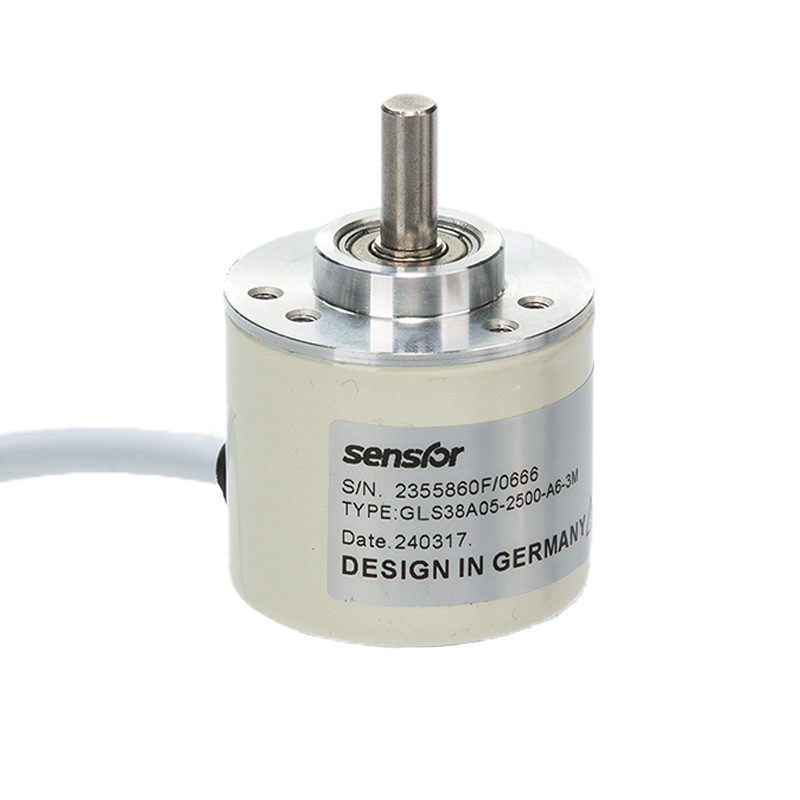
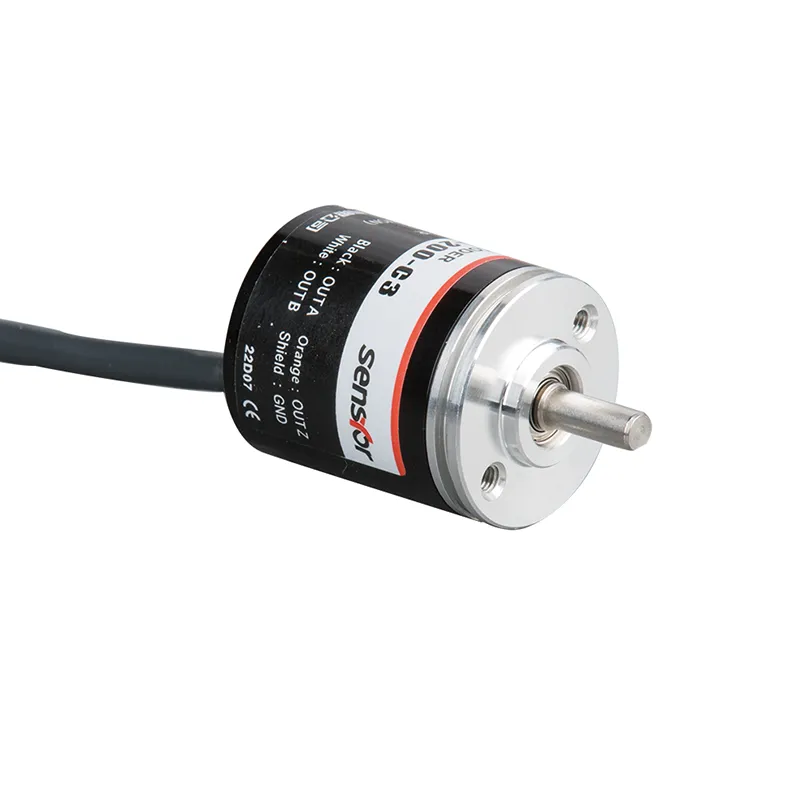
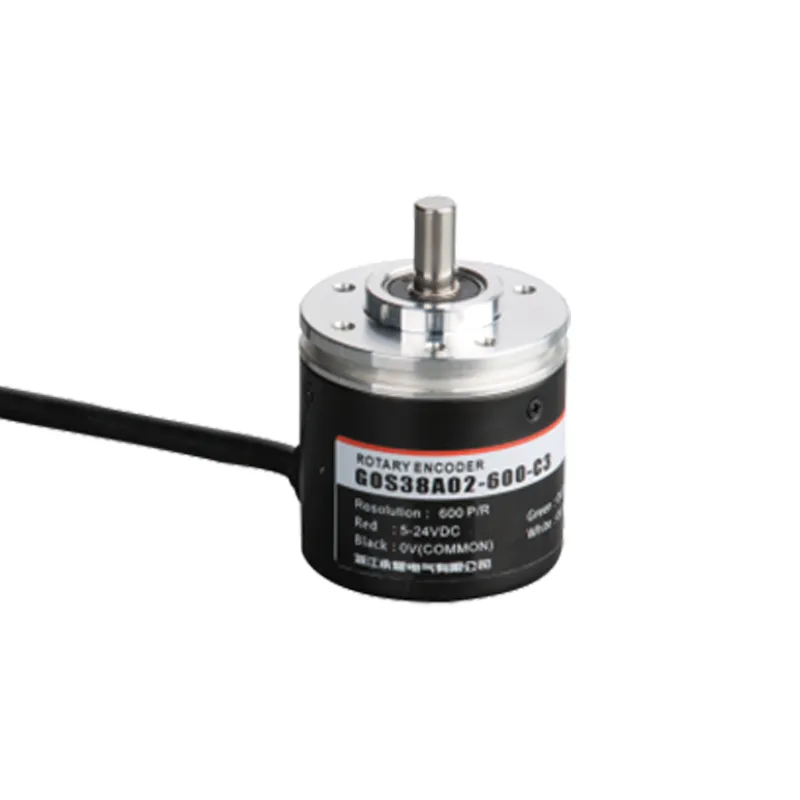
An GLS38AO5absolute linear encoder is a linear measurement system that uses a coded scale and a reading head to output a digital position word that corresponds to one exact position on the axis. Unlike incremental encoders that only count movement from a reference point, an absolute linear encoder stores the position information in the scale pattern, so the system “remembers” where it is after power loss.
This immediate “power-on position” makes absolute linear encoders ideal when you cannot afford to move axes to a reference switch or when motion could be unsafe or slow during homing. For OEMs and factory engineers, this means faster startup, simpler logic, and fewer headaches in commissioning and maintenance.
Each position along the stroke has a unique code, so you always get an absolute coordinate instead of just pulses to count.
No homing or reference return is required after power interruptions, which reduces downtime and improves safety.
Many absolute linear encoders support advanced fieldbus or serial interfaces that deliver rich diagnostic data as well as position.
If you are currently using incremental linear encoders in your machines, upgrading key axes to absolute linear encoders is often a quick win to improve availability and reduce commissioning time.
Common technologies for absolute linear encoders
Different sensing technologies exist behind absolute linear encoders, each with its own strengths in terms of accuracy, robustness, and cost. Choosing the right sensing principle is one of the first decisions in your project.
Technology type
How it senses position
Typical strengths
Typical use cases
Optical absolute linear encoder
Light passes through or reflects from a coded scale and is read by a photodetector in the read head.
Very high resolution and accuracy, excellent repeatability.
Many suppliers also offer magnetostrictive absolute linear encoders where a magnet along the axis is detected by a waveguide-based sensor, giving non-contact, wear-free feedback with absolute position.
Key advantages for B2B industrial users
From a B2B buyer’s view, an absolute linear encoder is not just a sensor, it is a way to increase the performance and reliability of your whole motion system. Below are practical advantages you can highlight to your customers or internal stakeholders.
Advantage
What it means in practice
Where it matters most
Immediate position on startup
Axis knows its real coordinate as soon as the controller powers up, so no homing move is needed.
High-throughput machines, dangerous or hard-to-access axes.
Higher productivity
Eliminates homing cycles and reduces scrap caused by lost position, so more time is spent in actual production.
Available with many interfaces and mechanical formats, fitting existing controllers and mechanics.
OEM machine builders and retrofit projects.
If you want to position your own product line as a “smart absolute linear encoder solution,” emphasize the combination of high resolution, robust design, and plug-and-play integration with popular industrial networks like EtherCAT, PROFINET, or other fieldbus protocols where applicable.
Discover how Absolute Linear Encoder boost automation accuracy and efficiency,today for tailored encoder solutions that fit your.
Absolute linear encoders are now common across many industries, often as part of a broader linear measurement solution. Here are some high-value B2B applications where they deliver clear benefits.
Industry / sector
Example application
Why absolute encoders help
CNC and metal-cutting machinery
Linear axes on milling, turning, and grinding machines.
Improve contour accuracy, reduce backlash error, and maintain position after shutdown.
Electronics and semiconductor
Wafer stages, pick-and-place heads, PCB assembly and inspection machines.
High resolution for tiny features, stable feedback in cleanroom or vacuum conditions.
Absolute feedback on each axis simplifies startup and multi-axis coordination.
Printing and packaging
Web registration, label positioning, cut-to-length control.
Consistent print registration and cutting accuracy, less waste and rework.
Material handling
Storage and retrieval machines, conveyor diverters, lifting columns.
Reliable position in dusty environments, safer movement of heavy loads.
If one of your main customer groups is machine builders, you can speak directly to their pain points: shorter commissioning time, fewer service calls, and more stable quality data from each axis. Inviting them to send drawings or stroke and accuracy requirements is a good way to start a technical discussion and move toward a sample order.
How absolute linear encoders work
At a high level, absolute linear encoders combine a coded scale, a read head, and a signal processing unit that outputs the position via a standardized interface. The details differ by technology, but the workflow is similar.
The scale contains a track (or several tracks) with a special pattern that encodes absolute position along the stroke.
As the machine moves, the read head detects the local pattern using optical, magnetic, inductive, or laser sensing.
Electronics convert the analog signal into a digital position value and transmit it to the controller through serial, fieldbus, or analog outputs.
Because the position code is stored on the scale itself, the encoder does not need to count from zero each time power returns. Multi-turn absolute encoders in rotary designs even track the number of complete shaft revolutions, but for linear encoders the absolute length is usually defined by the coded travel range.
Important selection criteria for B2B projects
Selecting the right absolute linear encoder is a technical decision with several trade-offs. For B2B buyers and engineers, a clear selection guide helps avoid mismatches and extra cost.
Criterion
What to check
Why it matters
Measurement range / stroke
Maximum travel the encoder must measure.
The scale length must cover full motion with margin to avoid running off the scale.
Resolution
Smallest detectable step in position.
Higher resolution supports tighter control and smoother motion but may increase cost and bandwidth needs.
Accuracy and linearity
Deviation between actual and reported position over the stroke.
Defines final machining accuracy, cut length error, or positioning tolerance.
Speed and response time
Maximum speed and update rate the system can handle.
Critical for high-speed axes; the encoder must deliver stable feedback at full line speed.
Environmental resistance
Temperature range, IP rating, dust, oil, vibration.
Ensures reliability in real factory conditions, not just in the lab.
Interface / protocol
SSI, BiSS, EnDat, fieldbus, or analog outputs.
Encoder output must be compatible with the controller or drive you use.
Mechanical design
Mounting style, form factor, non-contact vs guided system.
Easy installation reduces assembly time and risk of misalignment.
When you talk to customers, asking a few simple questions about stroke length, accuracy class, and interface often shows them that you understand their application and can tailor an absolute linear encoder solution that fits their machine. A short RFQ form that collects these parameters is a powerful lead-generation tool for your website.
Absolute linear encoder interfaces and integration
Modern absolute linear encoders support a range of communication protocols, from simple point-to-point interfaces to high-speed industrial networks. Matching the interface to your PLC or drive is essential.
Serial interfaces such as SSI, BiSS, and proprietary systems transmit absolute position as digital words.
Vendor-specific platforms can bundle position data with diagnostics and configuration options, improving maintenance and commissioning.
Integration into fieldbus or Ethernet-based networks allows multiple axes to share an encoder bus and simplifies multi-axis coordination.
For OEMs, offering pre-configured encoder packages with standard cables, connectors, and mounting hardware can shorten project timelines and reduce wiring errors. If your factory can provide custom cable lengths, that is another selling point to highlight when inviting customers to send their BOM or layout.
For B2B buyers in automation, machinery, and electronics, an absolute linear encoder is a strategic component that improves uptime, quality, and operator safety while simplifying machine control. By understanding the different technologies, key selection criteria, and target applications, you can specify or supply an absolute linear encoder solution that delivers real value to your customers’ production lines.
If you are planning a new machine or an upgrade, invite your prospects to send their stroke length, accuracy requirement, and interface preference so you can recommend the most suitable absolute linear encoder and offer a tailored quotation.
FAQ
What is the difference between an absolute linear encoder and an incremental linear encoder?
An incremental linear encoder outputs pulses that must be counted from a reference point, so the real position is only known after a homing move. An absolute linear encoder outputs a unique position value for each location on the scale, so the axis knows its position immediately at power-on without homing.
Where should I use an absolute linear encoder in my machine?
Absolute linear encoders are ideal for axes where homing is difficult, dangerous, or time-consuming, such as vertical axes, long gantries, or high-speed stages. They are also recommended where you need high accuracy and repeatability, for example in CNC machines, pick-and-place machines, and printing lines.
How do I choose the right absolute linear encoder for CNC or automation?
To choose the right encoder, define your stroke, required accuracy, resolution, maximum speed, environment, and preferred interface. Then select a suitable technology (optical, magnetic, inductive, or laser) and mechanical format that matches your machine layout and controller.
Are magnetic absolute linear encoders accurate enough for industrial use?
Magnetic absolute linear encoders provide solid accuracy for many industrial applications, especially where dust, oil, and vibration are present. For ultra-precision tasks, optical or laser encoders may offer higher resolution and smaller linearity errors, but magnetic systems deliver a strong balance of robustness and performance.
Can I retrofit an absolute linear encoder into an existing machine?
In many cases, yes, as long as you have space for the scale and read head and your controller supports an absolute interface or can be upgraded. Retrofitting can improve machine accuracy, reduce setup time, and extend the lifetime of older equipment without a full replacement.
Table of Contents
Discover how Absolute Linear Encoder boost automation accuracy and efficiency,today for tailored encoder solutions that fit your.
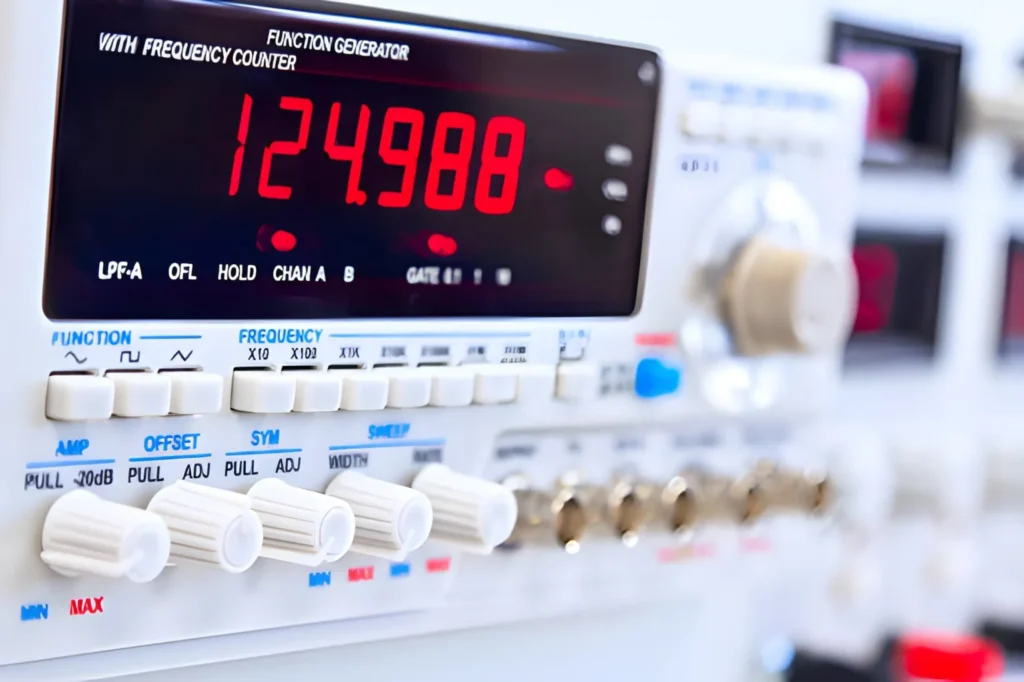
In the world of industrial automation, precise timing isn’t a luxury—it’s a necessity. Whether you’re designing a high-speed data acquisition system, calibrating RF modules, or managing test instrumentation, the CY7 High-Frequency Counter provides the accuracy and stability your project demands. Let’s dive deep into how this device works, where it excels, and why manufacturers and engineers worldwide […]
When working with CY7 High Frequency Counter measurement systems, precision is everything. If your project involves signal monitoring, industrial automation, or precision testing, you’ve likely come across the CY7 High Frequency Counter. Yet one question keeps popping up among engineers and OEM buyers alike: What is the input channel configuration for CY7 High-Frequency Counter, and how can it […]
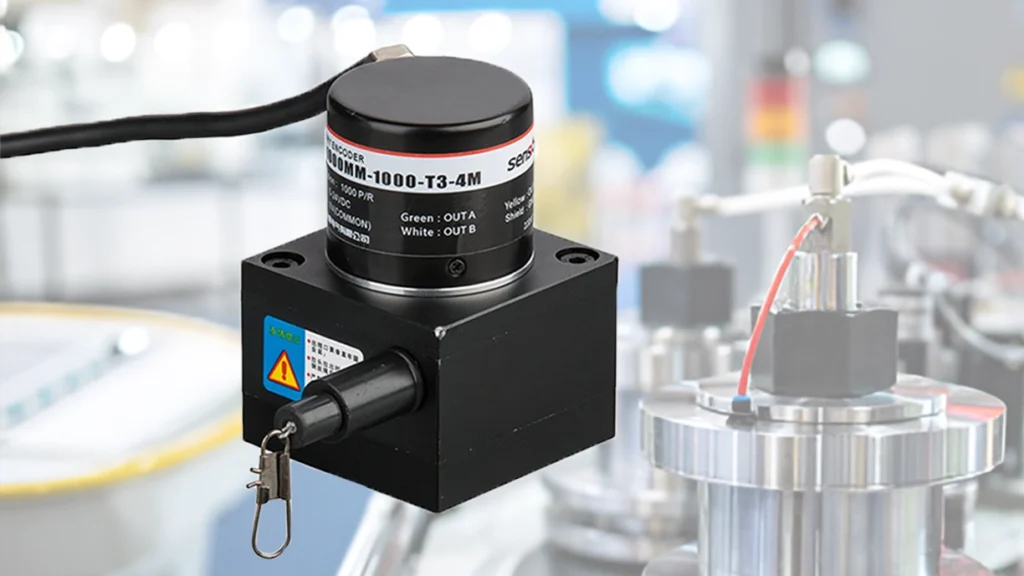
Sensyor Draw Wire Encoder – Reliable Linear Position Feedback with Spring-Loaded Cable Mechanism Featuring the Sensyor draw wire encoder in action, this precise linear cable encoder delivers outstanding accuracy and durability for demanding industrial applications. Engineered with a robust spring-loaded cable mechanism, it ensures consistent position feedback over a wide measuring range without compromise. Core […]
We use cookies to enhance your browsing experience, serve personalised ads or content, and analyse our traffic. By clicking "Accept All", you consent to our use of cookies.