Incremental Encoder
Incremental vs Absolute Encoder Differences and How to Choose
Compare incremental vs absolute encoder types to find the best solution for precise position feedback cost reliability and industrial applications
Read More
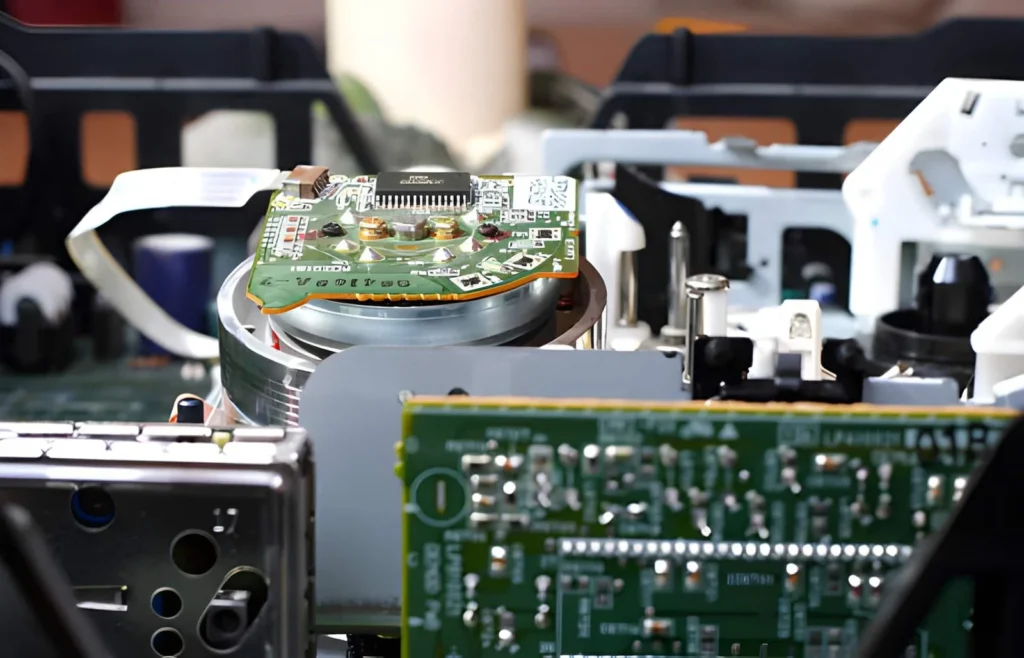
An absolute optical rotary encoder is a high-resolution rotary position sensor that provides a unique digital output representing the exact shaft angle immediately upon power-up. Unlike incremental encoders, which require a homing or reference run to determine position, absolute optical encoders deliver instant and reliable position data without delay or battery backup. This key advantage enhances system start-up time, safety, and precision in demanding applications.
Sensyor’s absolute optical encoders leverage advanced optical disk technology to achieve superior resolution and accuracy. Available in both single-turn and multi-turn models, these encoders accurately track position within one revolution or over many revolutions—up to 65,536 turns for multi-turn versions. By combining precision optical sensing with robust industrial design, Sensyor offers scalable solutions that meet diverse motion control needs across automation, robotics, aerospace, and more.
With true absolute position measurement, Sensyor optical absolute rotary encoders set the standard for reliability and performance in industrial environments requiring precise angle feedback from the very first moment of operation.
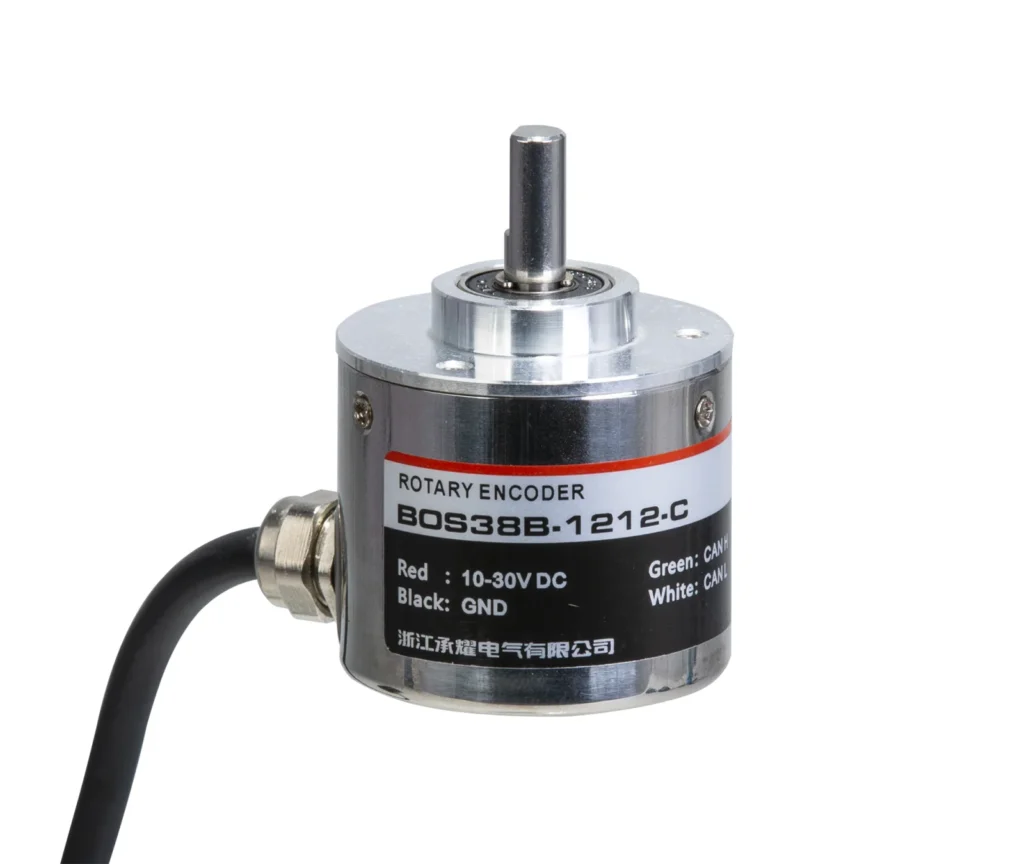
Choosing a high resolution absolute optical rotary encoder means you get more than just position feedback—you get reliability, speed, and accuracy built for real-world demands. Here’s what sets Sensyor’s absolute optical encoders apart:
| Feature | What It Means for You |
|---|---|
| True Absolute Position | Instant position readout at power-up—no homing cycle, no lost time. |
| No Battery Backup Needed | No batteries to maintain or replace, zero risk of data loss. |
| Optical Sensing (Up to 24-bit Single-Turn) | Ultra-high resolution for pinpoint control and smooth motion. |
| 16-bit Multi-Turn Tracking | Tracks full revolutions—ideal for multi-turn applications. |
| High Accuracy (±0.01° Typical) | Reliable, repeatable precision for tight-tolerance tasks. |
| Sealed Industrial Housing | Dust and moisture stay out—optics always protected (IP67 options). |
| Multiple Output Protocols | Connects to any system: SSI, BiSS, EtherNet/IP, Profinet, analog. |
| Wide Temp & Shock Resistance | Runs reliably in harsh conditions—no drift, no downtime. |
| Compact Designs | Choose solid shaft, hollow shaft, or kit encoders—fits any setup. |
Looking for more details on how absolute encoders outperform incremental types? Check out our absolute vs incremental rotary encoder guide for a deeper dive.
Sensyor’s absolute shaft encoder optical models are built for less maintenance, faster installs, and trouble-free operation—so you can focus on what matters: precision and uptime.
At the heart of every absolute optical rotary encoder is a simple yet powerful setup: a light source shines through a finely patterned coded disk, and a photodetector reads the light patterns as the disk turns. This interaction translates physical rotation into precise digital position data instantly.
Optical sensing stands out from magnetic or capacitive methods because it offers much higher resolution and accuracy. The finely detailed optical patterns allow Sensyor’s absolute rotary encoders to detect position changes down to a fraction of a degree, delivering superior precision that’s essential for high-performance automation and control systems.
Sensyor’s proprietary code-disk design not only boosts resolution but also enhances noise immunity. This means signals remain clean and reliable even in harsh industrial environments prone to electrical interference. Plus, the optical disk’s high-quality materials ensure a long service life, reducing maintenance needs and downtime.If you’re exploring options between incremental and absolute encoders, Sensyor’s full lineup of optical absolute encoders provides a trusted solution that guarantees true position feedback from the moment you power up. For more on how absolute encoding compares, check out our detailed Incremental vs Absolute Encoder guide.
When choosing an absolute optical rotary encoder, understanding the difference between single-turn and multi-turn models is key.
| Feature | Single-Turn Absolute Encoder | Multi-Turn Absolute Encoder |
|---|---|---|
| Position Information | Absolute position within one full rotation (360°) | Absolute position plus number of full revolutions (up to 65,536 turns) |
| Resolution | Up to 24-bit high resolution per turn | Up to 16-bit multi-turn tracking combined with single-turn accuracy |
| Ideal Use | Applications with limited or no continuous rotation | Applications needing position tracking over many rotations |
| Example Applications | Robotic joints, rotary valves, limited-angle sensors | Wind turbines, robotics with continuous rotation, packaging machinery |
| Sensyor Models | GLT5812B and similar single-turn optical absolute encoders | GOS38B series multi-turn absolute optical encoders |
When to choose which?
For product details and selecting the right encoder type, explore Sensyor’s GOS38B rotary encoder series for multi-turn options and GLT5812B single-turn optical encoders. This way, your choice aligns perfectly with your application’s precision and tracking needs.
Below is a clear overview of Sensyor’s absolute optical rotary encoder specs, helping you pick the right precision optical rotary encoder for your needs. All data ties to specific Sensyor part numbers.
| Specification | Single-Turn Optical Encoder | Multi-Turn Absolute Optical Encoder |
|---|---|---|
| Resolution | Up to 24 bits (16,777,216 counts/rev) | 16-bit multi-turn (65,536 revolutions) + 24-bit single-turn |
| Accuracy & Repeatability | ±0.01° typical accuracy, high repeatability | ±0.01° accuracy single-turn + revolution count tracking |
| Max Rotational Speed | Up to 12,000 RPM | Up to 10,000 RPM |
| Operating Temperature | -40°C to +125°C | -40°C to +105°C |
| IP Rating Options | IP67 sealed variants for tough environments | IP67 available with sealed optics |
| Supply Voltage | 5 V to 30 V DC | 5 V to 30 V DC |
| Current Consumption | Typical 70 mA | Typical 85 mA |
| Output Interfaces | SSI, BiSS, Profinet, EtherNet/IP, analog | SSI, BiSS, Profinet, EtherNet/IP |
| Shaft Diameter | 6 mm, 8 mm, or customizable | 6 mm, 8 mm, customizable |
| Torque | < 0.05 Nm | < 0.06 Nm |
| Electrical Lifetime | > 100 million cycles | > 100 million cycles |
| Mechanical Lifetime | > 50 million revolutions | > 50 million revolutions |
For precise model details, check out the GLS58B02 rotary encoder for solid-shaft options and the GOS5008B multi-turn encoder for high-resolution multi-turn applications.This concise technical snapshot ensures you select the right optical absolute encoder tailored to your system’s speed, accuracy, and environmental demands.
Sensyor’s absolute optical rotary encoders come in versatile mechanical setups to fit diverse industrial needs. Choose from solid-shaft, hollow-bore, or servo-flange styles, each designed for easy integration and secure mounting.
Mounting is supported by detailed dimension drawings and guides, available as PDF downloads or lightbox previews, ensuring accurate installation every time. Sensyor provides torque value recommendations for shaft fixation to avoid damage and maintain encoder performance.
Cable and connector options cover a broad range, supporting various industrial protocols and environments. Plus, for harsh settings such as washdown or dusty industrial floors, IP67 sealed variants are available, protecting the optics and electronics against water and particulates. This robustness makes these precision optical rotary encoders suitable for demanding conditions without sacrificing accuracy or longevity.For related accessory options, check the coupling series and spring bracket designs which support flexible and secure installation of your rotary position sensors.
Our absolute optical rotary encoders excel across diverse industries, delivering precision and reliability where it matters most:
Each use case benefits from the high resolution, true absolute position tracking, and industrial-grade durability of Sensyor’s optical absolute encoders, ensuring your system runs smooth and stays reliable even under demanding conditions.For specialized rotary position sensors optimized for robotic applications, check out our LX78S wire-type encoder, offering a compact, high-precision solution.
Choosing the right absolute optical rotary encoder from Sensyor is straightforward with our clear model selection guide. We offer an interactive-style table that links Sensyor model numbers directly to key specs like resolution, shaft type, output interface, and multi-turn capability. You can easily filter by:
This quick-filter feature helps you narrow down options to exactly what fits your application—whether you need a high resolution absolute encoder for precision control or a rugged multi-turn absolute optical encoder for complex motion systems.Sensyor’s clear categorization makes comparing models simple, so you can select the perfect rotary position sensor absolute solution without hassle. For deeper insight into encoder types and choosing the best fit for your setup, check out our detailed guide on main types of encoders. This ensures you can match Sensyor’s optical rotary position sensor range to your technical and operational needs quickly.
When it comes to selecting a reliable industrial absolute optical encoder, Sensyor stands out with a clear set of advantages that matter for your project’s success:
| Key Advantage | What It Means for You |
|---|---|
| Long-term Availability | Consistent supply: avoid sudden shortages or product discontinuations |
| Customization Options | Tailored resolutions, interfaces, and mounting to fit your exact needs |
| Competitive Lead Times | Faster delivery speeds minimize downtime and project delays |
| Full Technical Support | Expert help from selection to installation and troubleshooting |
| Traceability Documentation | Complete records for quality assurance and compliance |
Sensyor’s optical absolute rotary encoders combine high resolution and true absolute position sensing with robust industrial design. This ensures precision and reliability across demanding applications globally.Choosing Sensyor also means you benefit from advanced interface options like SSI, BiSS, and EtherNet/IP, giving you flexibility in integration. Their in-house optical disk technology enhances noise immunity and durability unmatched by alternatives.
By trusting Sensyor, you get a partner focused on reducing downtime, boosting system accuracy, and supporting your team with expert resources — essential for complex industrial automation and motion control projects.Explore more on how to make the right choice for your encoder needs with Sensyor’s expert guidance on choosing the right encoder for your B2B project.
An absolute optical rotary encoder provides a unique position value instantly at power-up, while incremental encoders only give position changes and need a homing cycle to find zero. This true absolute positioning eliminates downtime and improves reliability.
It retains the exact shaft position without a battery backup or external memory. When power is restored, it immediately outputs the correct angle, thanks to the optical disk’s coded design.
Single-turn models measure only one full 360° rotation. For tracking multiple turns, a multi-turn absolute encoder is necessary, capable of counting up to 65,536 rotations with high precision.
We offer multiple output protocols, including SSI, BiSS, EtherNet/IP, Profinet, and analog signals, enabling easy integration into various industrial control systems.
Calibration is usually plug-and-play due to the absolute nature of the device. However, Sensyor provides detailed installation manuals to guide precise setup and alignment for best accuracy.
Yes, multi-turn encoders can be reset based on your control system’s commands or during maintenance to synchronize position data when needed.
Absolutely. Hollow bore versions save space and simplify mounting on rotating shafts, making them ideal for compact or retrofit applications.
Sensyor’s optical absolute encoders typically deliver accuracy around ±0.01° with up to 24-bit resolution for single-turn models and 16-bit for multi-turn, ensuring ultra-precise feedback.
Our optical absolute rotary encoders come with sealed optics, IP67 ratings, wide temperature tolerance, and robust housings resisting shock and vibration for reliable long-term use.
SSI wiring is straightforward, typically requiring differential signal pairs for data and clock lines. Sensyor provides quick-start guides to simplify connecting various output protocols.
Optical encoders have low maintenance because sealed optics prevent dust and contamination. Routine checks of mounting and electrical connections are usually sufficient.
You can download datasheets, CAD models, and installation manuals from our resource center to assist with design and integration.
For more on incremental encoder basics and signal differences, check out our detailed guides on incremental rotary encoder signal distinctions and further incremental encoder research.
Access all the essential tools you need for your absolute optical rotary encoder projects. Our comprehensive resources & downloads include:
These resources support efficient deployment and trouble-free maintenance of your industrial absolute optical encoder systems, helping you achieve precise and reliable absolute positioning from the start. For more on the differences and advantages, see our detailed comparison of absolute encoder vs incremental technologies.
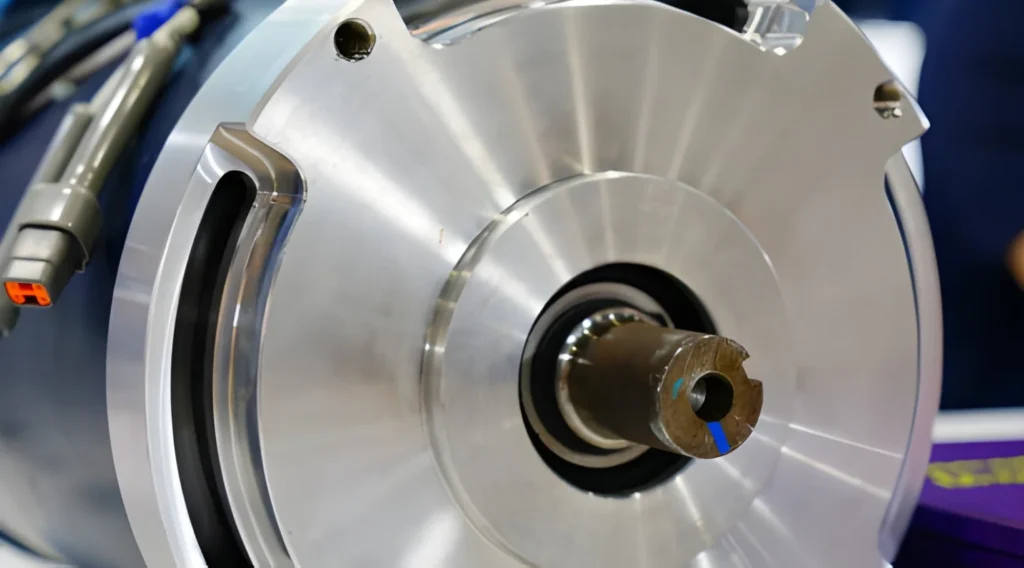
Compare incremental vs absolute encoder types to find the best solution for precise position feedback cost reliability and industrial applications
Read More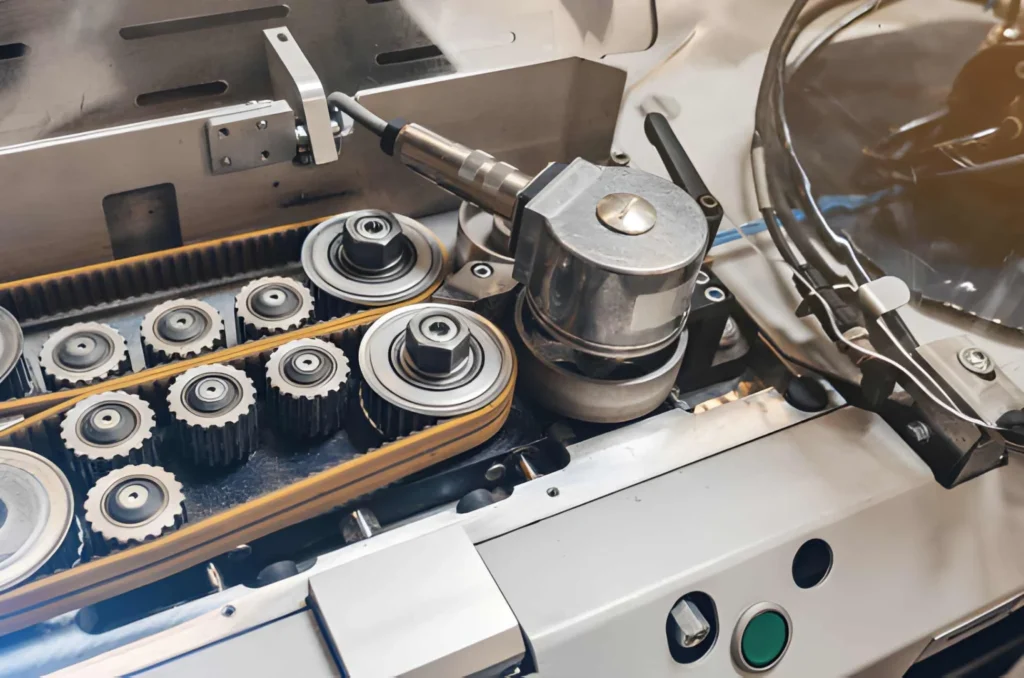
Discover Sensyor’s incremental rotary encoders offering high precision, customizable PPR, robust design, and reliable industrial automation feedback.
Read More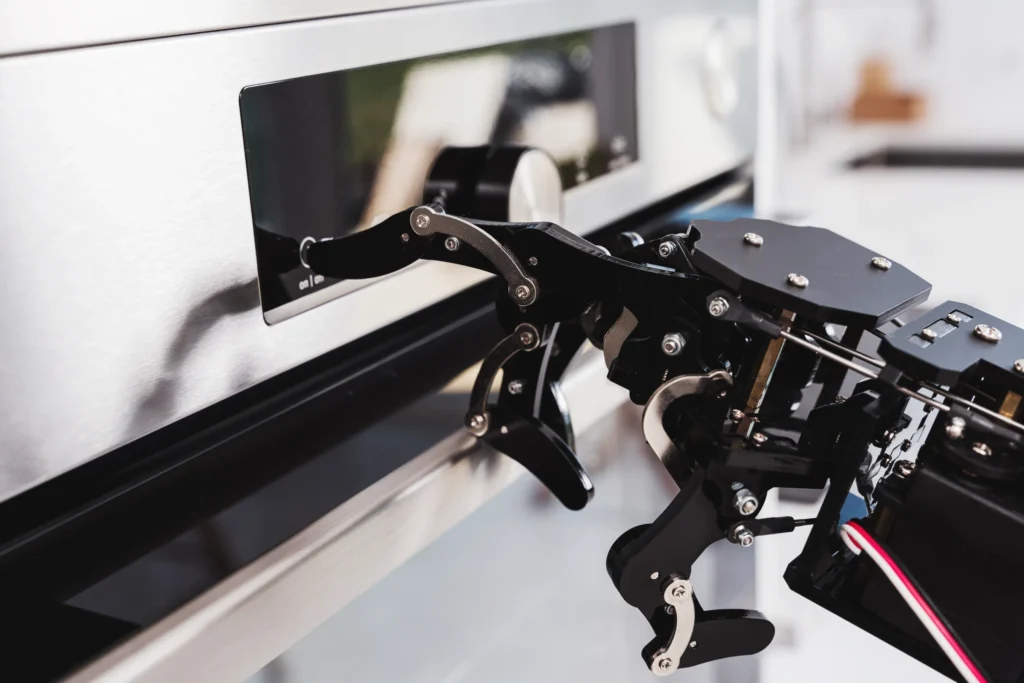
In industrial automation and motion control, knowing exactly how far something has turned—or how fast it’s moving—can be the difference between smooth precision and costly errors. That’s where incremental shaft encoder come in. These small but powerful devices play a critical role in modern machinery, offering real-time position and speed feedback that keeps manufacturing lines, robotics, and […]
Read More