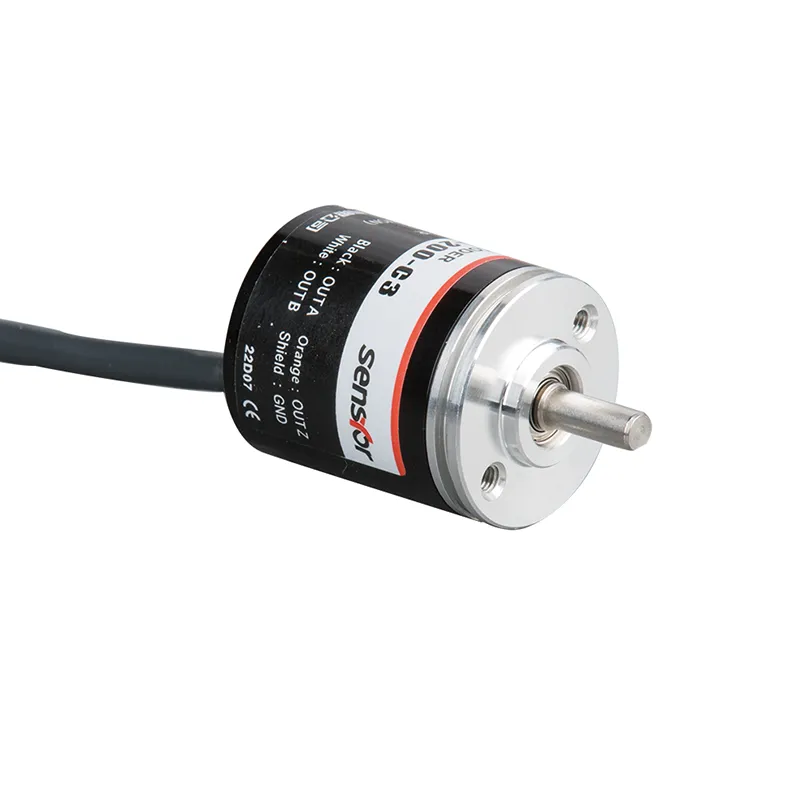
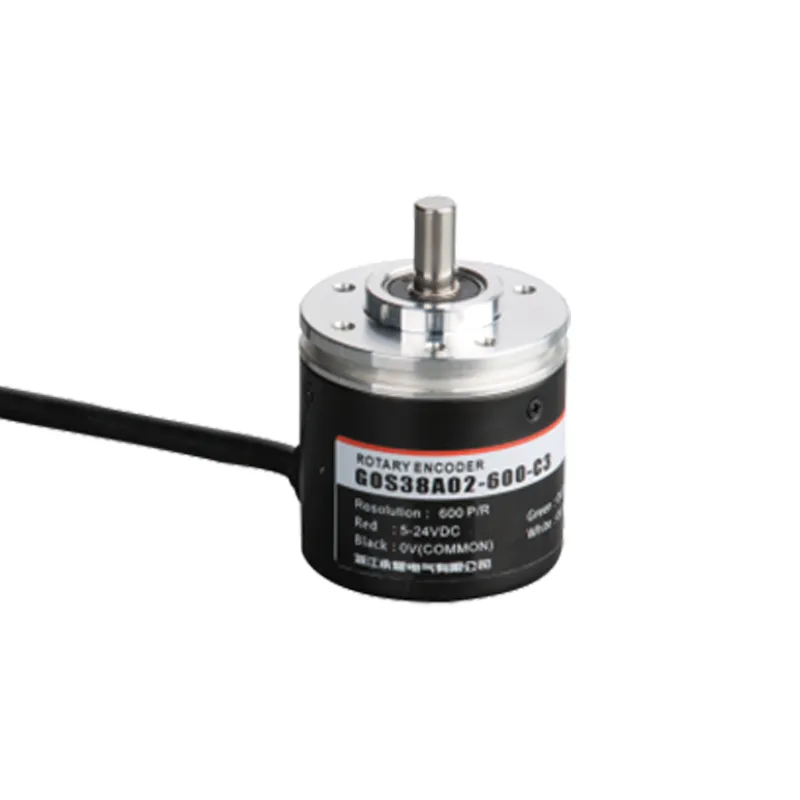
If you’re on the hunt for a reliable incremental rotary encoders supplier, you already know how critical quality and precision are to your project’s success. Whether you’re an engineer, OEM, or procurement specialist, finding the right source for incremental rotary encoders means balancing exacting technical specs with competitive pricing and fast delivery. In this guide, you’ll discover everything you need to confidently choose suppliers who deliver robust performance, customization options, and the dependable support your operation demands. Let’s get straight to the essentials that will streamline your search and secure the best fit for your industrial automation needs.
Understanding Incremental Rotary Encoders
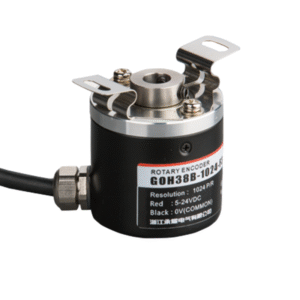
Incremental rotary encoders are essential position feedback sensors used widely in industrial automation, robotics, and machinery. They generate pulses as the shaft rotates, helping track speed, direction, and position in real time.
How Incremental Rotary Encoders Work
At the core, these encoders detect movement by converting mechanical rotation into electrical signals. The spinning shaft passes signals through either optical or magnetic sensing methods:
Sensing Type
Description
Pros
Cons
Optical
Uses LEDs and photodetectors
High resolution, precise
Sensitive to dust and dirt
Magnetic
Uses magnetic sensors (Hall effect or magnetoresistive)
Durable, good in harsh environments
Slightly lower resolution
Key Specifications
When choosing an incremental rotary encoder, keep these specs in mind:
Specification
What It Means
Resolution (PPR)
Pulses per revolution — defines positional accuracy
Output Signals
Typically quadrature signals (A, B), sometimes Z (index)
Shaft Types
Solid shaft or hollow shaft options tailored to your mounting needs
Output Signals and Driver Types
The output signal type affects how the encoder interfaces with your control system:
Signal Type
Characteristics
Use Cases
TTL
Transistor-Transistor Logic, standard voltage levels, suitable for low voltage systems
General industrial controls
HTL
High Threshold Logic, higher voltage levels, noise resistant
Proper mechanical and electrical mounting is critical for reliable encoder performance. Consider:
Shaft alignment and coupling method (solid or hollow shaft)
Electrical connectors that match your control system
Environmental protection and vibration resistance
Understanding these basics helps you select the right incremental rotary encoder supplier who can meet your technical needs and application requirements.
IP Rating & Environmental Resistance
When choosing an incremental rotary encoder, understanding its IP rating and environmental resistance is crucial. The IP (Ingress Protection) rating tells you how well the encoder is sealed against dust, moisture, and water. For industrial or outdoor use, a minimum of IP65 is often recommended to ensure the encoder withstands harsh conditions without performance loss.
Another key factor is the maximum rotational speed and frequency response—these specs determine how fast and accurately your encoder can track motion. Heavy-duty incremental encoders should handle high speeds while maintaining signal clarity.
Make sure to also consider the environmental standards the encoder meets, such as resistance to chemicals, vibration, and temperature extremes. These factors directly impact long-term reliability, especially in tough working environments.
When choosing a reliable incremental rotary encoder supplier, product longevity and consistent performance should be top priorities. A good supplier must offer customization options, including various shaft types like solid or hollow shafts, and different connector choices to fit your application perfectly. Look for suppliers who have strong manufacturing capabilities—this ensures they can handle custom OEM rotary encoder orders and deliver to your exact specs.
Global quality certifications such as ISO 9001 or CE mark indicate the supplier’s commitment to high standards and product reliability. Pricing tiers matter too; a trustworthy supplier balances cost and quality without cutting corners on key components, especially for industrial rotary encoder applications where durability is critical.
Lead times and supply chain stability are essential for avoiding downtime. Suppliers with steady production lines and good inventory management reduce delays, ensuring you receive replacement incremental rotary encoders or new products when needed without hassle.
For example, Sensyor provides strict quality control, offers a wide range of encoder models, and supports customization to meet your specific needs—all while maintaining short lead times and reliable delivery. Check out Sensyor’s GLT8030B incremental rotary encoder for a device known for long-term durability in demanding environments.
Top Incremental Rotary Encoder Suppliers
When looking for a reliable incremental rotary encoders supplier, it helps to know the key players and what they offer. Below is a quick overview of popular brands, service terms, and what to watch out for when choosing between distributors and factory-direct suppliers.
Supplier Brand
Strengths
Warranty & Service
Notes
Baumer
High precision, wide selection
Standard warranties, solid support
Strong after-sales assistance
Dynapar
Heavy duty encoders, custom options
Extended warranties available
Focus on industrial motors
EPC
Competitive pricing, flexible lead times
Good customer service
Accessible for small orders
Pepperl+Fuchs
Robust design, environmental rating focus
Premium support packages
Often favored for harsh environments
POSITAL
Innovative OEM solutions, optical & magnetic
Comprehensive warranty
Strong global presence
Distributors vs Factory Direct
Distributors: Quicker delivery and localized support but may add costs and limit customization.
Factory Direct: Better pricing, full customization, and direct technical support but possibly longer lead times.
Common Pitfalls When Choosing Suppliers
Overlooking environmental specs like IP rating, crucial for long-term durability.
Not verifying output signal compatibility (HTL, TTL, Push-Pull).
Ignoring the supplier’s supply chain stability and lead times.
Skipping quality certifications and detailed datasheets review.
Choosing the right supplier sets the stage for reliable, long-lasting position feedback sensors tailored to your application.
Why Choose Sensyor as Your Incremental Rotary Encoder Supplier
Sensyor stands out as a trusted incremental rotary encoders supplier thanks to its strong manufacturing capabilities and customer-focused approach. We offer a wide range of models, from solid shaft rotary encoders to hollow shaft incremental encoders, designed to meet diverse industrial needs. Our products are built tough for reliability and precision in demanding environments.
What Sets Sensyor Apart
Feature
Benefit
Robust Product Designs
Durable encoders suitable for heavy-duty applications
Strict Quality Control
Ensures consistent performance and longevity
Fast Lead Times
Quick delivery to keep your projects on schedule
Customization Options
OEM rotary encoders tailored to specific shaft types, connectors, or output signals
Real-World Success
Proven performance in industrial and harsh environments
Dedicated Support
Expert guidance from selection to after-sales service
Sensyor’s focus on quality is backed by rigorous in-house testing, ensuring every encoder meets strict standards. We provide multiple output signal types, including encoder with HTL output and quadrature signals, to fit your exact application needs.
Choosing Sensyor means partnering with a supplier who understands practical challenges and delivers reliable incremental precision encoders with quick turnaround and customization. Whether you need a standard or custom OEM rotary encoder, Sensyor is equipped to support your project from start to finish.
Step-by-Step Guide to Selecting and Purchasing Incremental Rotary Encoders
When choosing an incremental rotary encoder, clear steps help you find the right fit for your application. Here’s a simple guide to follow:
1. Define Your Application Requirements
Speed: What is the maximum rotational speed you need to measure?
Environment: Will the encoder face dust, moisture, or extreme temperatures? (Consider IP rating)
Resolution: How many pulses per revolution (PPR) are required for your precision needs?
Ask suppliers for detailed datasheets covering electrical specs like output type (HTL, TTL, Push-Pull).
Request samples to test in your environment before bulk buying.
Compare pricing but weigh quality and support heavily.
4. Installation Tips and Best Practices
Align the encoder correctly to avoid shaft misalignment.
Use recommended mounting brackets and secure connections.
Follow manufacturer guidelines for wiring to prevent signal loss or noise.
5. Maintenance and Troubleshooting Advice
Regularly check for mechanical wear and dust buildup.
Monitor output signal quality; inconsistent signals may indicate encoder or wiring problems.
Keep spare encoders on hand to avoid downtime during replacements.
Following these steps ensures you pick the best incremental rotary encoder for your needs, balancing performance, durability, and cost. For detailed technical guidance, check out our complete incremental rotary encoder guide.
Frequently Asked Questions
What’s the difference between incremental and absolute rotary encoders?
Incremental encoders provide position changes via pulses—great for tracking movement but need a reference point at startup.
Absolute encoders give a unique position value at power-on, avoiding loss of position info.
Learn more about their differences in our detailed comparison of absolute encoder vs incremental encoder.
How do I calculate the pulses per revolution (PPR) needed?
Higher PPR means finer position resolution but requires faster signal processing.
Match PPR to your application speed and accuracy demands to avoid over-specifying.
For example, wound rotor control may need 1000+ PPR, while simple speed sensing can work well with 100-500 PPR.
Can incremental rotary encoders work in harsh environments?
Yes, but choose models with strong IP ratings like IP65 or higher for dust and water resistance.
Heavy duty incremental encoders often feature rugged housings and vibration resistance.
Also consider magnetic rotary encoders if dusty, oily, or smoky conditions could block optical sensors.
What about non-standard shaft diameters or hollow shaft options?
Many incremental rotary encoder suppliers offer custom OEM rotary encoders with special shafts or connectors.
Hollow shaft incremental encoders are ideal for direct coupling without complex mechanical adaptors.
Solid shaft rotary encoders remain popular for easy mounting and durability.
Optical vs magnetic incremental encoders—what’s better?
Feature
Optical Encoder
Magnetic Encoder
Accuracy
Very high
Moderate
Environmental Suitability
Sensitive to dust & dirt
Resistant to contaminants
Cost
Generally higher
Usually more affordable
Output Signals
Typically quadrature signals
Quadrature or other formats
What are typical lead times for custom orders and samples?
Standard models usually ship within 2-4 weeks.
Custom incremental rotary encoder manufacturing can take 6-10 weeks depending on complexity.
Many suppliers provide sample units for testing, which helps verify fit and function before full orders.
This FAQ covers critical points to help you confidently select your incremental rotary encoder from a reliable industrial rotary encoder supplier. For instance, our GOS58B05 rotary encoder range offers detailed specs to suit varying PPR and environmental needs.
When it comes to ensuring long-term reliability in harsh environments, choosing the right incremental rotary encoders supplier is crucial. Look for suppliers who offer heavy duty incremental encoders with robust IP ratings and proven environmental resistance. Key criteria include product quality, customization options, stable supply chains, and strong technical support.
A reliable incremental rotary encoder manufacturer should provide a wide range of models, including optical and magnetic types, with various shaft options and output signals to fit your application’s needs. Don’t overlook lead times, warranty terms, and service responsiveness when making your decision.
For expert guidance and top-quality encoders, contact Sensyor for professional consultation and competitive quotes. With a strong reputation for reliable products, fast delivery, and OEM customization, Sensyor stands out as a trusted global industrial rotary encoder supplier ready to support your projects.
If you’ve ever wondered how machines track rotation and position so precisely, the answer often lies with an Incremental Rotary Encoder. These devices are the unsung heroes behind accurate motion control in many industries. Whether you’re working with robotics, CNC machines, or conveyor belts, understanding this technology can simplify your selection process and improve system […]
If you’ve ever worked with motors or automation systems, you’ve probably heard about Incremental rotary encoder. These devices are crucial for determining position, speed, and direction of rotating shafts. But not all rotary encoders are created equal. The two most common types are incremental and absolute encoders — and understanding how their signals differ is key for choosing the […]
We use cookies to enhance your browsing experience, serve personalised ads or content, and analyse our traffic. By clicking "Accept All", you consent to our use of cookies.