Magnetic Rotary Encoder: Precision Meets Durability
Accurate, Contactless Magnetic Position Sensing for Every Application
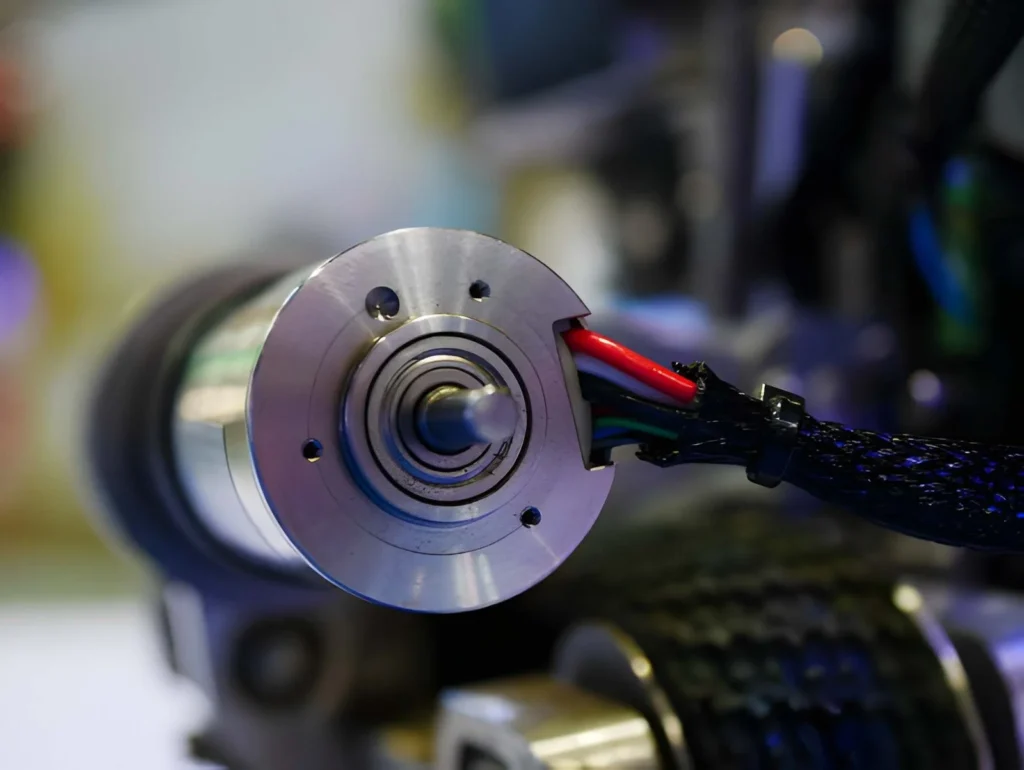
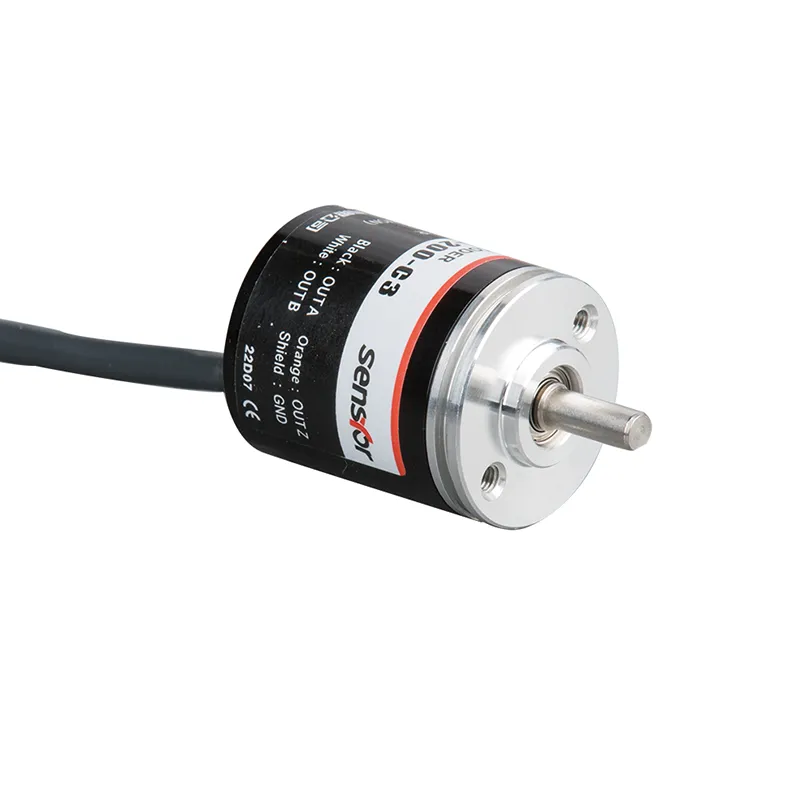
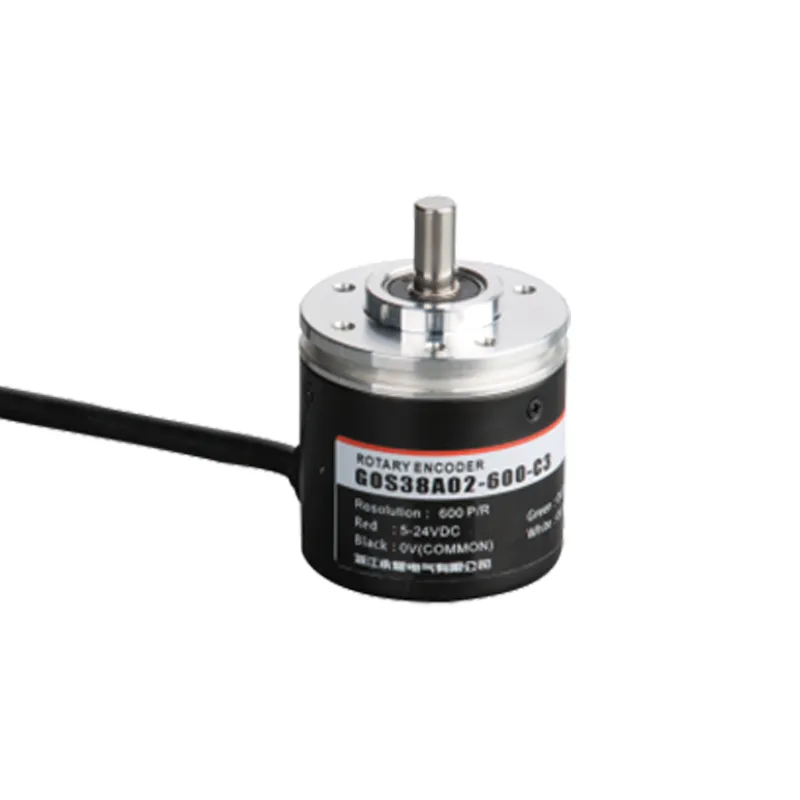
Experience the future of rotary position measurement with our advanced magnetic rotary encoder. Designed for reliability and high-performance, this contactless magnetic encoder uses Hall Effect sensors to deliver precise, real-time feedback with minimal wear and zero contact. Whether you need an absolute magnetic rotary encoder or an incremental magnetic encoder, our solutions fit seamlessly into industrial automation, robotics, automotive systems, and more.
Key Specs at a Glance:
Contactless Hall Effect rotary encoder technology
High resolution up to 14-bit accuracy
Multiple output types: analog, PWM, SPI, and I²C
Robust design built for harsh environments
Low power consumption for energy-efficient systems
Compact size for easy integration
Unlock enhanced control and reliability in your next project. Get in touch with Sensyor today and explore tailored magnetic rotary sensor solutions.
Key Features and Benefits of Magnetic Rotary Encoders
Our magnetic rotary encoders offer a solid mix of performance and durability, designed for precision and reliability in any setting. Here’s what makes them stand out:
Feature
Benefit
Contactless Magnetic Sensing
No wear or friction, extending encoder life
High Accuracy
Precise angle measurement for smooth control
Multiple Output Types
Supports analog, PWM, incremental, and absolute outputs
Robust Design
Resistant to dust, dirt, moisture, and vibrations
Low Power Consumption
Ideal for battery-powered or energy-critical systems
Programmable Zero Point
Easy calibration to match your setup
Compact Size
Fits tight spaces without compromising performance
These magnetic position sensors—built around Hall Effect technology—deliver reliable, non-contact rotary encoding in harsh environments where optical or mechanical encoders often fail. Whether you need a durable magnetic rotary sensor for motors or a high-precision Hall Effect angle encoder in industrial automation, this encoder’s versatility has you covered.
How It Works: Magnetic Rotary Encoder with Hall Effect Sensors
A magnetic rotary encoder uses Hall Effect sensors to detect the position of a rotating shaft without physical contact. Inside the encoder, a magnet attached to the shaft generates a magnetic field, which the Hall Effect sensors measure as the shaft turns. This data is then processed to provide precise angular position information.
Unlike optical encoders that rely on light and slotted discs, magnetic rotary encoders are contactless magnetic encoders, meaning they are less susceptible to dust, dirt, or moisture. This makes them ideal for harsh environments where optical encoders might fail. The magnetic sensing principle ensures reliability and long-term durability since there are no fragile moving parts or optical elements to wear out.
Practical advantages of magnetic rotary sensors over optical encoders include:
Robust operation in dirty, wet, or oily conditions
Immunity to vibration and shock
Lower maintenance needs due to contactless sensing
Compact design options thanks to simpler sensor layouts
This contactless nature combined with Hall Effect technology delivers precise shaft angle measurement with high reliability, making magnetic rotary encoders a top choice for both industrial and consumer applications. For an example of incremental magnetic encoder options, check out Sensyor’s lineup of incremental rotary encoders with main output signals.
Technical Specifications of Magnetic Rotary Encoder
Here’s a quick look at key specs for our contactless magnetic rotary encoder lineup, designed for precision and durability in a compact footprint.
Parameter
Value / Range
Notes
Resolution
Up to 14-bit (16,384 positions)
Supports both absolute and incremental types
Supply Voltage
3.3 V to 5 V
Low power consumption
Current Consumption
Typically 5 mA
Depends on output mode
Output Types
Analog voltage, PWM, SPI, I2C
Flexible for different system needs
Max Rotational Speed
Up to 10,000 RPM
Suitable for high-speed motors
Operating Temperature
-40°C to +125°C
Reliable in harsh environments
Encoder Dimensions
From 10 mm diameter
Compact, fits tight spaces
Magnet Specs
Diameters 6–12 mm, thickness 2–4 mm
Compatible magnets recommended
Designed with Hall Effect sensors, these magnetic angle sensors offer excellent immunity to dust, dirt, and mechanical wear, making them superior to optical alternatives. For a closer look at installation and channel configurations that optimize performance, check out our detailed guide on the input channel configuration of CY7 high-frequency counter.
Our GLT10030B rotary encoder is a great example of a compact, high-resolution magnetic rotary sensor ready for various industrial applications.
This specs overview ensures you get the exact technical fit for your next project using robust, contactless shaft encoders with programmable zero positions and multiple output options.
Applications of Magnetic Rotary Encoders
Magnetic rotary encoders are a must-have in many industries thanks to their contactless magnetic sensing and durability. Here’s where they excel:
Industrial Automation & Robotics: Precise angle detection and robust design make them perfect for automation arms, robotic joints, and factory machinery, ensuring smooth and reliable motion control.
Automotive Sensors: They are ideal for throttle position sensing, steering angle measurements, and motor feedback in EVs, thanks to their high accuracy and resistance to harsh environments.
Machine Tools & CNC: Magnetic rotary sensors provide exact positioning for CNC spindles and tool changers, reducing wear and maintenance compared to mechanical encoders.
Renewable Energy: Wind turbine blade pitch control and solar panel tracking systems use these encoders to achieve reliable and low-power position sensing in tough outdoor conditions.
Consumer & DIY Projects: Hobbyists and makers appreciate the compact size and easy integration for robotics kits, 3D printers, and custom motor controls.
Medical & Aerospace: In critical equipment where failure isn’t an option, these robust magnetic position sensors offer reliable, non-contact angle measurement with long service life.
For specialized needs, Sensyor’s range of magnetic rotary encoders like the GOS5008B model offers tailored solutions. Whether for high-precision industrial automation or compact consumer devices, magnetic rotary encoders provide a versatile, dependable choice across sectors.
Why Choose Sensyor Magnetic Rotary Encoders?
Sensyor magnetic rotary encoders stand out in the market by delivering unmatched durability and cost-effectiveness tailored for global needs. Our contactless magnetic encoders use advanced Hall Effect rotary encoder technology, ensuring long-lasting performance even in harsh environments. Here’s why Sensyor is the smart choice for your application:
Key Benefit
Description
Durability
Robust design ensures reliable operation in dust, moisture, and vibrations. Perfect for industrial automation and automotive sensors.
Cost-Effectiveness
Competitive pricing without compromising high accuracy and low power consumption. Ideal for DIY projects and large-scale production alike.
Customization Options
Flexible configurations including programmable zero positions and multiple output types to match your exact magnetic position sensor needs.
Certifications
Compliant with industry standards and certifications for quality and safety, giving peace of mind for critical applications like aerospace and medical.
Expert Support
Access to Sensyor’s engineering team for integration support, troubleshooting, and custom development, ensuring smooth adoption of our contactless rotary encoders.
Choosing Sensyor means opting for a magnetic rotary sensor that combines reliability with innovation. Our lineup, including the popular GOS58 rotary encoder, demonstrates our commitment to quality and versatility in non-contact angle measurement technology.
Comparison: Magnetic vs. Optical vs. Mechanical Rotary Encoders
When choosing a rotary encoder, understanding how magnetic rotary encoders stack up against optical and mechanical options is key. Here’s a quick look at the main differences in durability, lifespan, precision, cost, and maintenance:
Feature
Magnetic Rotary Encoder
Optical Rotary Encoder
Mechanical Rotary Encoder
Durability
Highly resistant to dust, dirt, and moisture thanks to contactless sensing
Sensitive to dust and scratches, needs clean environments
Prone to wear and tear due to physical contact
Lifespan
Long service life with minimal degradation
Moderate; optical components can degrade over time
Shorter life due to mechanical wear
Precision
High accuracy with resolution up to 14 bits or more
Highest precision available in some applications
Moderate, depending on design quality
Cost
Cost-effective, especially in harsh environments
Typically higher cost due to complex optics
Usually lowest cost upfront but higher replacement costs
Maintenance
Low maintenance; no physical contact reduces repairs
Requires cleaning and careful handling
Frequent maintenance due to mechanical parts
Why Magnetic Rotary Encoders Lead
Robust design makes them perfect for harsh, dusty, or wet conditions.
Non-contact magnetic sensing eliminates mechanical wear, boosting lifespan.
Supports multiple output types and resolutions for versatile use.
For an advanced magnetic rotary position sensor with high precision and durability, consider our high-resolution incremental encoder line. For multiturn absolute position feedback, check out our absolute encoder models with IP67 protection. These are prime examples of how magnetic encoders deliver dependable performance across industries.
Installation and Integration Guide for Magnetic Rotary Encoders
Getting your magnetic rotary encoder up and running is straightforward when you follow a few key steps. Here’s how to ensure smooth installation and integration:
Mounting Methods and Tolerances
Keep proper alignment: Mount the encoder securely, allowing for small radial and axial tolerances specified in the datasheet. Misalignment can affect accuracy.
Avoid vibration: Use vibration-damping mounts when applying the sensor in harsh environments for stable output.
Maintain air gap: Position the magnet within the recommended air gap (typically 1-3 mm) from the encoder’s sensing surface to ensure precise magnetic position sensing.
Magnet Recommendations
Use high-quality, diametrically magnetized magnets compatible with your encoder model (e.g., neodymium magnets recommended for strong and consistent fields).
Ensure the magnet size and strength meet the specified range in the product datasheet to avoid signal loss or noise.
Avoid magnets with irregular shapes or inconsistent fields which can reduce measurement accuracy.
Wiring & Programming
Follow wiring diagrams and specifications in the manual to connect power, ground, and output signals correctly.
Most magnetic rotary encoders support multiple output types like analog, PWM, or digital. Choose the output matching your controller or system.
Program the zero position or offset as needed, using the programmable zero feature to calibrate your system for optimal performance.
Troubleshooting Tips
No or erratic output? Check magnet position and polarity first. Incorrect mounting often causes signal loss.
Signal noise or jitter? Verify wiring integrity and shield cables from electromagnetic interference.
Output doesn’t align with shaft position? Recalibrate zero or confirm proper encoder mounting.
If persistent issues arise, refer to Sensyor’s detailed application notes or seek expert support.
For a deeper dive into rotary encoder basics and incremental encoder types, consider reviewing our comprehensive guides on the ultimate guide to rotary encoders and what is an incremental rotary encoder.With these steps, integrating your contactless magnetic rotary encoder into your system becomes a hassle-free process, ensuring reliable and accurate position sensing.
Models and Variants of Magnetic Rotary Encoders
Our range of magnetic rotary encoders caters to diverse needs, offering models with varied resolutions, output types, and package sizes to fit your application perfectly. Whether you need an absolute magnetic rotary encoder for precise angle measurement or an incremental magnetic encoder for speed and position, we have options to suit.
Resolutions: From low to high, available in increments as fine as 12-bit for detailed position sensing.
Outputs: Choose from analog voltage/current, PWM, SSI, SPI, or quadrature signals based on your system requirements.
Package Types: Compact designs suitable for tight spaces alongside robust versions for harsh environments.
Each model is optimized for durability and accuracy, featuring contactless magnetic sensing with Hall Effect technology to ensure long life and consistent performance.
Explore detailed specifications, datasheets, and 3D CAD models on our product pages, designed to help you integrate our encoders seamlessly. For incremental encoder options, you can visit our dedicated high-resolution incremental rotary encoder page.Choosing the right magnetic rotary sensor becomes easier with clear data on each variant — all aimed to provide reliable, cost-effective solutions worldwide.
Resources and Downloads
Get everything you need to make the most of your magnetic rotary encoder with our comprehensive resources. We offer detailed datasheets, CAD files for easy integration into your designs, and clear application notes that cover best practices and tips. Whether you’re working with a Hall Effect rotary encoder or an absolute magnetic rotary encoder, our sample code helps you get started quickly, saving time on programming. Need quick answers? Our FAQs cover common questions on using non-contact rotary encoders, installation, and troubleshooting.
Customer Testimonials and Case Studies: Real-World Automation and Robotics Examples
Our magnetic rotary encoders have proven themselves across many real-world automation and robotics projects worldwide. Customers repeatedly highlight the high accuracy and reliability of our contactless magnetic encoders, even in harsh environments where optical or mechanical encoders often fail.
Automation Success Stories
One industrial automation client integrated our Hall Effect rotary encoder into their conveyor system. They noticed immediate improvements in positioning accuracy and reduced downtime thanks to the encoder’s robust design and immunity to dust and vibrations. This client also praised the low power consumption that helped optimize their overall system efficiency.
Robotics Applications
A robotics manufacturer used our absolute magnetic rotary encoder for precise joint angle measurements. The compact size and programmable zero position made integration seamless and enhanced robot motion control. They emphasized how our magnetic rotary sensor for motors outperformed previous optical models, especially in tight, confined spaces where contamination was a concern.
Why Customers Choose Sensyor
Durability in tough conditions with no contact wear
Consistent high accuracy for motion control
Flexible output types for easy integration
Affordable and customizable solutions tailored to project needs
If you’re exploring precision rotary sensors for your next automation or robotics design, our solutions come backed by real success stories demonstrating how contactless magnetic rotary encoders can improve reliability and performance.For more details on our precision incremental solutions in industrial automation, see our guide to choosing the right encoder.
Ready to Upgrade Your Magnetic Rotary Encoder?
Get in touch with Sensyor today to explore custom options tailored to your specific needs. Whether you require tailored resolutions, output types, or packaging, our expert team is here to help you find the perfect magnetic rotary encoder solution for your project.
Don’t forget to check out our range of accessories and related encoder types, such as the highly durable LX78S wire type encoder and the versatile ENC wheel type rotary encoder, designed for seamless integration and optimal performance.Upgrade to a reliable, contactless magnetic position sensor that delivers accuracy, robustness, and ease of use. Contact Sensyor now and start optimizing your automation, robotics, or industrial applications today!
Key Features & Benefits Sensyor absolute encoder rotary products deliver precise and reliable position sensing with these standout features: Feature Benefit Keywords Included True Absolute Positioning Instant position reading on power-up; available in single-turn or multiturn versions for extended range absolute rotary encoder, single-turn absolute encoder, multiturn absolute encoder High Resolution (up to 24+ bits) […]
Absolute encoder are indispensable components in modern industrial automation and precision control. They provide accurate, stable, and unique position information for mechanical systems—even retaining data after power loss. This makes absolute encoders crucial in many B2B applications such as robotics, CNC machines, and automated production lines. As a professional absolute encoder supplier, Sensyor is committed […]
Magnetic Rotary Encoder | Reliable Industrial Position Sensing Sensyor’s magnetic rotary encoder delivers precise, contactless angle measurement for demanding industrial applications. Designed as a high durability shaft encoder, this advanced magnetic rotary position sensor offers both absolute and incremental magnetic encoder options, ensuring accurate motor position feedback in harsh environments. Featuring robust Hall effect rotary […]
We use cookies to enhance your browsing experience, serve personalised ads or content, and analyse our traffic. By clicking "Accept All", you consent to our use of cookies.