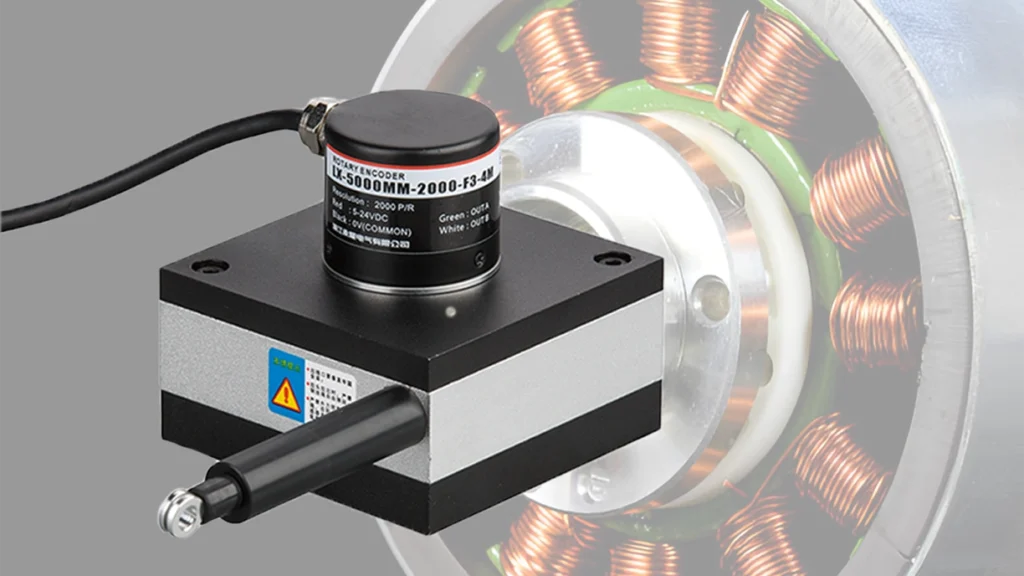
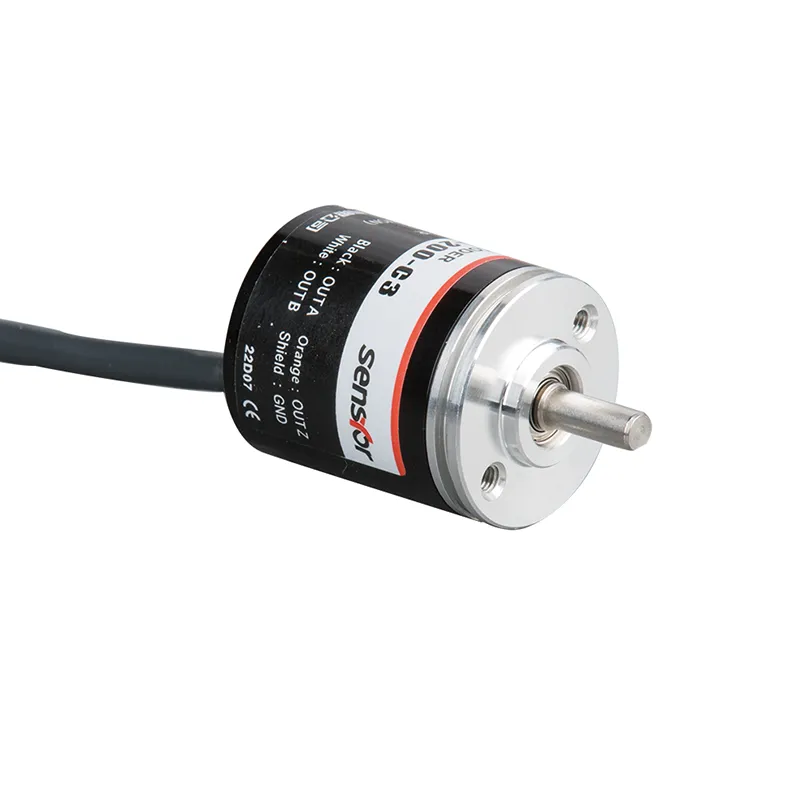
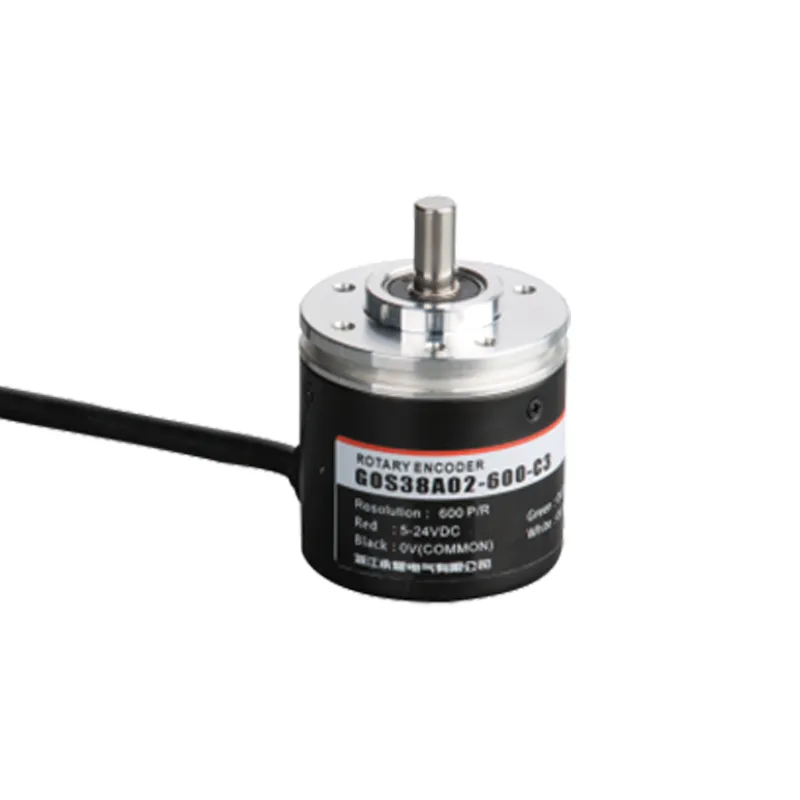
Sensyor Draw Wire Encoder – Reliable Linear Position Feedback with Spring-Loaded Cable Mechanism
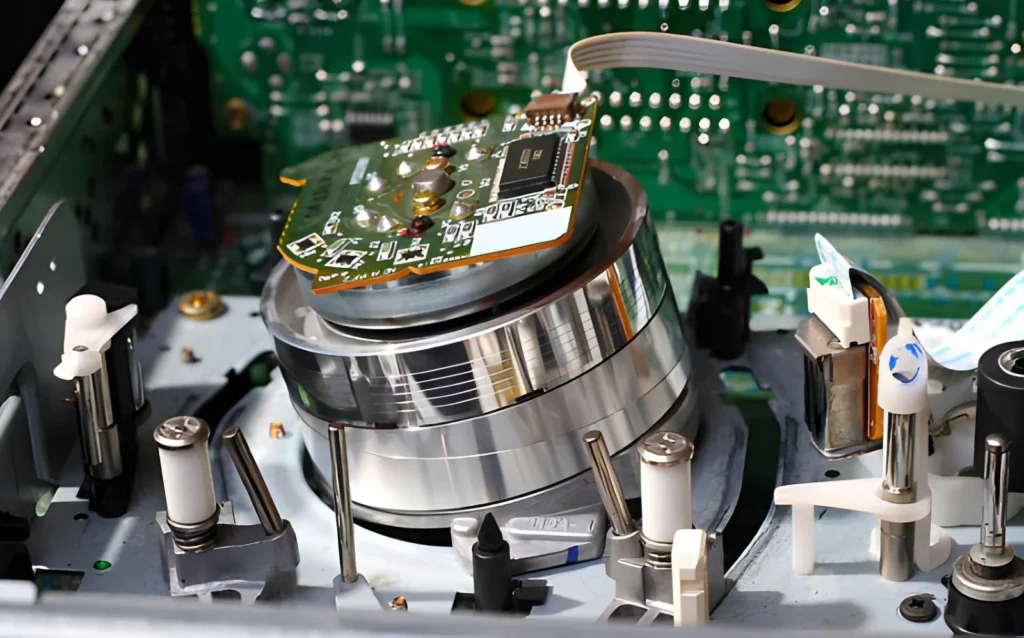
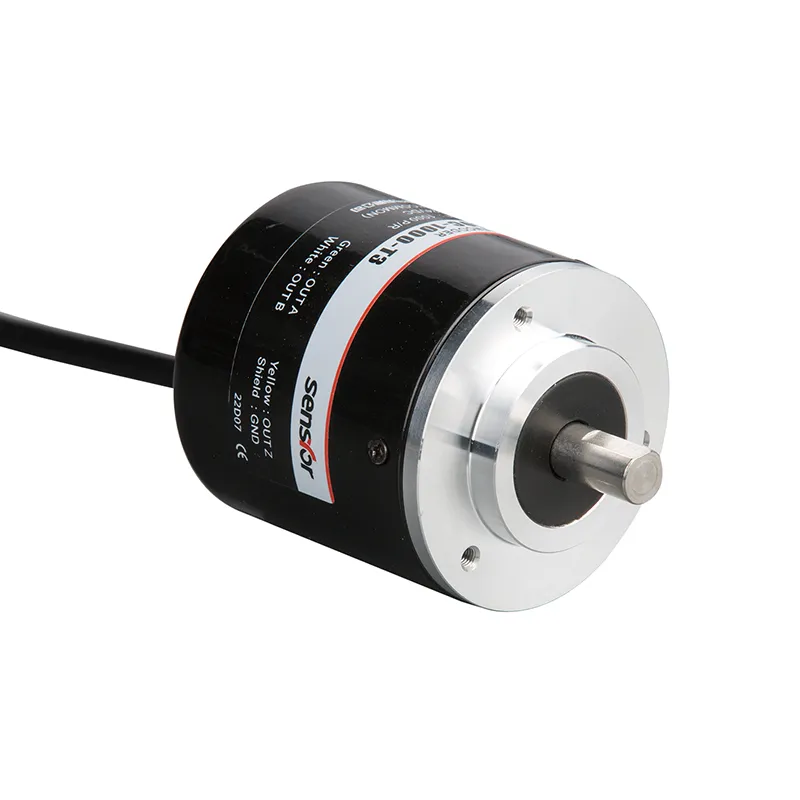
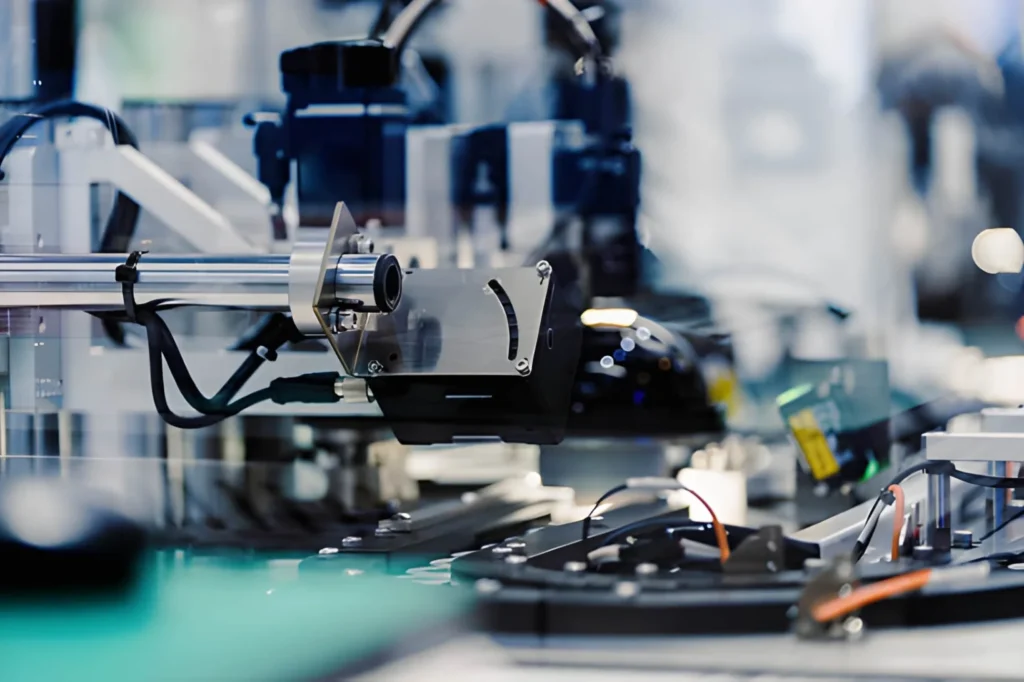
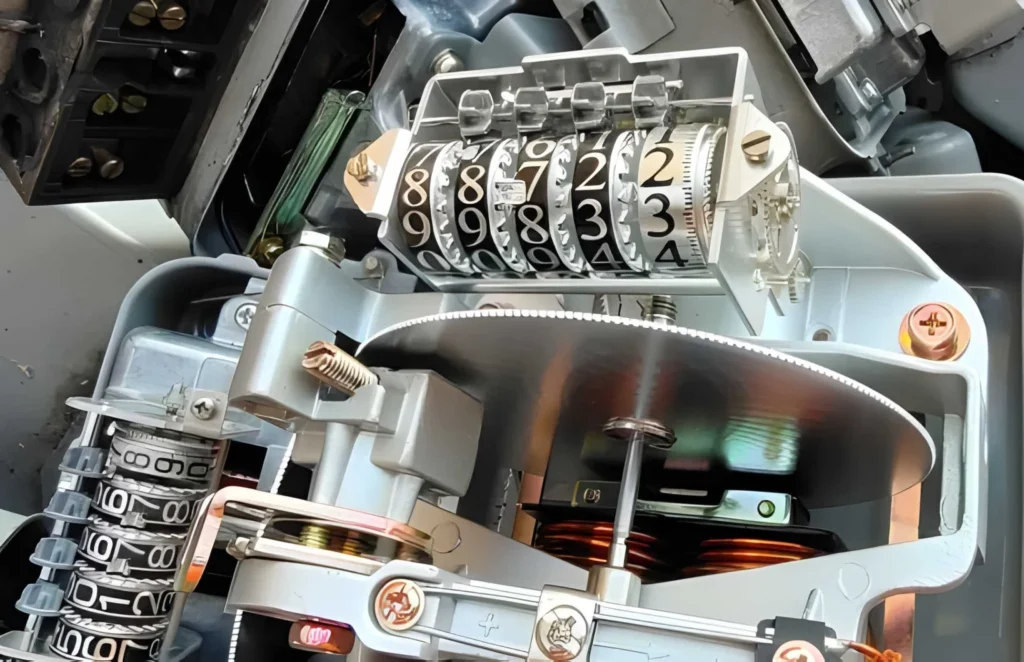
Featuring the Sensyor draw wire encoder in action, this precise linear cable encoder delivers outstanding accuracy and durability for demanding industrial applications. Engineered with a robust spring-loaded cable mechanism, it ensures consistent position feedback over a wide measuring range without compromise.
Core Benefits
High accuracy with resolution up to 0.01mm
Compact design suitable for tight installation spaces
Easy integration with multiple output options including incremental, absolute, and analog signals
Long service life engineered for harsh environments with vibration and dust resistance
Quick Specs Highlights
Feature
Specification
Measuring Range
300mm to 50m
Resolution
Up to 0.01mm
Output Types
Incremental (Quadrature), Absolute (SSI, BiSS-C, CANopen), Analog (0-10V, 4-20mA)
Housing Protection
IP65 / IP67 / IP68 options available
Ideal for applications requiring a reliable draw-wire encoder, cable extension transducer, or linear position encoder with wire, the Sensyor series offers precision, flexibility, and ruggedness to meet global industrial standards.
Product Description & How It Works
The Sensyor draw wire encoder uses a simple but effective design to measure linear position. A stainless steel cable is attached to the moving part you want to track. This cable wraps around a spring-loaded drum. As the object moves, the cable extends or retracts, causing the drum to rotate. Attached to the drum is a precision rotary encoder that converts this rotation into accurate position data. This setup ensures reliable feedback without any direct contact wear on the sensing element.
Compared to other linear position sensors, draw-wire encoders have clear advantages. Unlike string potentiometers, which suffer from wear and short lifespans due to sliding contacts, the spring-loaded cable mechanism keeps things smooth and durable. They’re also more resistant to dust, dirt, and vibration than many optical sensors, making them a tough choice for harsh environments. Plus, their flexible installation options mean you can fit them in tight or awkward spaces without trouble.
These devices are often called by various names that reflect their function or design, such as string encoder, cable extension transducer, linear cable encoder, pull wire sensor, cable actuated encoder, retractable cable encoder, and rope length encoder. Understanding these terms can help when searching for the right product or solution.
For precision measurement, Sensyor integrates high-quality rotary encoders, similar to those found in our reliable incremental optical encoders, ensuring smooth signal output and dependable performance over time.
Key Features & Benefits of Sensyor Draw Wire Encoder
Our draw wire encoder comes loaded with features designed for precision, durability, and easy integration in tough environments. Here’s what makes it stand out:
Feature
Benefit
Precision-engineered measuring drum
Ensures accurate, repeatable position readings with minimal error
High-quality encoder integration
Reliable linear position encoder output, smooth data flow
Rugged housing options (Aluminum or Stainless Steel)
Protects against harsh environments; suitable for indoor/outdoor use
IP65, IP67 & IP68 protection ratings
Dustproof and waterproof for long-term reliability
Shock & vibration resistance
Ideal for mobile machinery and heavy-duty industrial settings
Anti-friction coated cable
Extends cable life, reduces wear and maintenance needs
Tension management system
Keeps cable taut for consistent, stable measurements
Compact footprint
Fits easily in tight spaces without compromising performance
Wide operating temperature (-40°C to +85°C)
Performs reliably across extreme temperature shifts
This combination of features makes the Sensyor cable actuated encoder perfect for precise linear position sensing, even in demanding applications like heavy machinery or outdoor automation.
For advanced integration, our rotary encoder options like the GOS5008AO1 series ensure seamless data output and robust performance.
Available Models & Measuring Ranges
Sensyor draw wire encoders come in a range of models tailored to suit different measurement needs and environments:
Compact Series: Ideal for tight spaces, these encoders cover measuring ranges from 300mm up to 3000mm, perfect for precise, small-scale linear position sensing.
Standard Series: Offering mid-range solutions, these models measure from 3 meters to 15 meters, commonly used in general industrial applications.
Heavy-Duty Series: Built for rugged use and long distances, these encoders handle measuring ranges from 15 meters up to 50 meters, suitable for large machinery and outdoor setups.
Each series supports customization to match your exact requirements:
Cable exit direction: Choose between radial or axial options to fit your installation layout.
Spring force: Adjustable to suit different pulling forces and environmental demands.
Cable material: Options include durable stainless steel or coated cables for enhanced wear resistance.
For enhanced durability and compatibility, pairing your draw wire encoder with accessories like the Sensyor XT Series spring bracket can simplify mounting and improve cable tension management.
This flexibility ensures you get a reliable linear cable encoder that fits your application perfectly without compromise.
Output Types & Interfaces for Draw Wire Encoder
Sensyor draw wire encoders come with versatile output options to fit various control systems and applications. For incremental outputs, we provide quadrature signals (A/B/Z) with TTL or HTL levels, delivering up to 5000 pulses per revolution for precise linear position feedback. On the absolute side, our encoders support popular protocols like SSI, BiSS-C, CANopen, Profibus, Modbus, and EtherCAT, ensuring seamless integration into industrial networks.
If your system prefers analog signals, Sensyor offers 0-10V and 4-20mA outputs as well as potentiometer emulation, making these linear cable encoders adaptable for simple or legacy systems. Programmable resolution and scaling allow you to customize the output to exactly match your measurement and control requirements.
Explore models like the Sensyor LX78S wire type encoder to see examples of these flexible output and interface options in action. This range is perfect if you need a spring loaded encoder with multiple signal choices for different applications.
Technical Specifications of Sensyor Draw Wire Encoders
Our Sensyor draw wire encoder offers precise and reliable linear position feedback. Below is a of the key technical specs to help you pick the right linear cable encoder for your needs:
Specification
Details
Measuring Range
300 mm up to 50 m
Linearity / Accuracy
±0.05% to ±0.1% full scale
Repeatability
±0.01 mm
Resolution
Up to 0.01 mm
Max. Speed / Acceleration
5 m/s speed; 30 m/s² acceleration
Cable Force / Drum Diameter
Adjustable spring force; drum diameters from 25 mm to 70 mm
Encoder Type & Resolution
Incremental (TTL/HTL), Absolute (SSI, BiSS-C), Analog outputs available; up to 5000 pulses per revolution
Supply Voltage / Current
5 VDC / 100 mA typical; options vary by model
Output Signals & Connectors
M12 connectors, cable glands; incremental, absolute and analog interfaces supported
Environmental Protection
IP65 to IP68, dust and water resistant
Operating Temperature Range
-40°C to +85°C standard
EMC Compliance
Meets industrial EMC standards
Weight & Dimensions
Compact footprint; weights vary by model (typically under 2 kg)
This rugged, spring-loaded encoder with a stainless steel or coated cable is designed for tough environments and mobile machinery. For more on output signal types and how to identify A/B/Z phases, check out our detailed incremental rotary encoder signals guide.
Whether you’re measuring position on cranes, conveyors, or testing machines, these specs ensure reliable, accurate data from your linear position encoder with wire.
Applications & Industry Use Cases
Sensyor draw wire encoders deliver reliable linear position feedback in a variety of tough industrial environments. Their precise cable extension transducer design makes them ideal for:
Hydraulic and pneumatic cylinder position feedback
Crane, hoist, and elevator height measurement where robust, accurate sensing is critical
Material handling and conveyor systems that need dependable linear position tracking
Automated storage and retrieval systems (AS/RS) for smooth, precise movement control
Testing machines and tensile testers requiring exact linear displacement measurement
Mobile machinery in agriculture, construction, and forestry exposed to harsh conditions
Robotics and gantry systems demanding compact, accurate wire draw position sensors
Medical equipment and patient positioning devices where smooth, repeatable motion is vital
These cable actuated encoders stand out for their durability and precision, especially when compared to other linear position encoder types. For those seeking deeper insight into similar rotary encoder technologies and their industry fits, our guide on incremental rotary encoder applications in industrial automation is a useful resource.
Whether you need a wire draw position sensor for mobile machinery or a spring loaded encoder for automated systems, Sensyor products fit seamlessly into demanding industrial setups worldwide.
Mounting & Installation Guide for Draw Wire Encoders
Installing your Sensyor draw wire encoder is straightforward with flexible mounting options designed to fit various setups. You can choose from flange, foot, or bracket mounts to match your machinery or application space.
Cable Attachment Methods
Attach the stainless steel cable securely using eyelets, clevis fittings, or threaded connectors—whichever suits your system best. Proper cable attachment helps maintain accurate linear position feedback and extends cable life.
Alignment Tips to Minimize Wear
Ensure the cable pulls out straight and avoid sharp bends.
Keep the drum and the cable path aligned to prevent side loading, which can cause premature wear.
Use tension management to maintain consistent cable tension and smooth operation.
Electrical Wiring & Calibration
Follow the included wiring diagrams for connecting incremental, absolute, or analog outputs to your controller or PLC system. After installation, run the calibration procedure to set zero points and verify measurement accuracy. This ensures the cable extension transducer delivers precise and reliable position data from the start.
For more on the encoder’s core components and how they convert linear movement into data, check our detailed guide on what is an encoder and its types to deepen your understanding.
Accessories & Customization for Draw Wire Encoder
We offer a range of accessories to keep your draw wire encoder running smoothly and perfectly matched to your setup:
Replacement cables and drums: Easily swap worn parts to extend your sensor’s life without changing the whole unit.
Mounting brackets and adapters: Flexible options to fit your installation needs, ensuring stable and precise positioning.
Signal converters and interfaces: Adapt your cable extension transducer outputs to match various control systems for seamless integration.
Custom cable lengths and exit angles: Tailor the linear cable encoder to fit your space, whether you need radial or axial cable exits.
Encoder integrations: Choose from a selection of encoder types to suit your measurement accuracy and communication preferences.
These options make our draw-wire encoder adaptable across industries and applications, delivering reliable linear position feedback every time. Explore customizable solutions similar to our incremental encoders customization to optimize your setup.
Why Choose Sensyor Draw Wire Encoders
When looking for a reliable draw wire encoder, Sensyor stands out for several key reasons:
Feature
Benefit
Superior durability
Long service life even in harsh conditions
Precision engineering
Accurate linear position measurement
Competitive pricing
Cost-effective solutions with OEM options
Fast lead times
Quick delivery to keep your projects on track
Global support
Responsive service wherever you are
Industry standards compliant
CE and RoHS certifications ensuring quality and safety
Our spring-loaded cable encoder designs deliver consistent performance with minimal maintenance. Whether you need a robust cable extension transducer for industrial automation or a compact linear displacement transducer for tight spaces, Sensyor offers models to fit your needs without compromise.
Access all essential materials for your Sensyor draw wire encoder project in one place:
Datasheet PDF – Detailed specs and performance data for quick reference.
2D/3D CAD Models – Ready-to-use drawings for easy integration into your design software.
Installation Manual – Step-by-step guide to mounting your cable extension transducer properly.
Wiring Diagrams – Clear electrical connections for all output types, including incremental and absolute encoders.
Application Notes – Helpful tips and examples for using the linear cable encoder in real-world scenarios.
These resources simplify setup and ensure you get the most reliable linear position feedback from your Sensyor retractable cable encoder. For related rotary encoder options, check out our high-quality rotary encoders that can complement your measurement system.
FAQs: Draw Wire Encoder Essentials
Here are clear answers to common questions about our draw wire encoder, also known as a cable extension transducer or spring loaded encoder.
Question
Answer
Difference from string potentiometer?
Our draw wire encoder uses a rotary encoder with a steel cable, offering higher precision and no contact wear, unlike string potentiometers that rely on a sliding contact.
Max cable speed?
Typical max cable speed is up to 2 m/s, depending on the model and cable tension settings.
Maintenance needs?
Minimal; just check cable condition periodically. The anti-friction coating and tension system prolong cable life. No contact wear reduces service.
Compatible with PLCs?
Yes, outputs include incremental (TTL/HTL), absolute (SSI, BiSS-C), and analog (0-10V, 4-20mA) formats compatible with most PLCs.
For more about incremental output types, check our precise Glt8030B rotary encoder options, perfectly integrated into draw wire sensors.
Related Products
At Sensyor, we offer a range of complementary products that work seamlessly with our draw wire encoder solutions. Our Sensyor rotary encoders provide precise rotational feedback ideal for various automation and control applications, enhancing your system’s accuracy and reliability. Check out models like the GLT5812B rotary encoder for robust performance in harsh environments.
For alternative linear position sensing needs, our linear potentiometers deliver smooth, reliable displacement measurement with easy integration. If your application demands a different type of technology, explore our magnetostrictive sensors, known for their high precision and durability in industrial settings.
Together, these products form a complete sensing portfolio, making it easier to find the right linear cable encoder, cable pull encoder, or linear position encoder with wire for your project—whether you need a spring-loaded encoder or a cable extension position sensor.
Get Your Sensyor Draw Wire Encoder Today
Ready to improve your linear position feedback with our reliable and precise draw wire encoder? Request a quote or contact our sales team to discuss your project needs. We’re here to provide expert advice on the best solution tailored for your application.
Need instant answers? Use our live chat feature for quick support or fill out the inquiry form for detailed information. Whether you’re after a compact string encoder or a heavy-duty cable extension transducer, we make it easy to get started.
Looking to buy now? Find authorized distributors near you or explore volume pricing options for OEM orders. Start measuring with confidence today!
For more technical details and to ensure seamless integration, check out our range of high-quality rotary encoders that complement our cable actuated encoder line perfectly.
An absolute linear encoder is a high-precision position sensor that gives a unique position value at every point along the measuring stroke, even immediately after power-up. For B2B buyers in automation, robotics, machine tools, packaging, and semiconductor equipment, it is often the most reliable way to get accurate linear feedback without homing cycles and downtime. […]
In the world of industrial automation, precise timing isn’t a luxury—it’s a necessity. Whether you’re designing a high-speed data acquisition system, calibrating RF modules, or managing test instrumentation, the CY7 High-Frequency Counter provides the accuracy and stability your project demands. Let’s dive deep into how this device works, where it excels, and why manufacturers and engineers worldwide […]
Did you know that linear encoder are the “invisible heroes” in modern industrial automation and precision measurement? Whether in CNC machines, automated assembly lines, or high-precision measuring instruments, linear encoders play a crucial role. They help machines “see clearly,” precisely feed back positions, and ensure every step in the process is accurate. In this article, […]
We use cookies to enhance your browsing experience, serve personalised ads or content, and analyse our traffic. By clicking "Accept All", you consent to our use of cookies.