Industrial Rotary Encoder Wheel with Durable High-Friction Rubber and Aluminum Options
Rotary Encoder Wheel Overview
Rotary encoder wheels are essential components designed to deliver precise measurement of rotational position and linear distance. Our rotary encoder wheel offers high accuracy with a variety of circumference options, making it ideal for industrial applications requiring reliable and repeatable feedback. Built with durable materials like aluminum and high-friction tread rubber or polyurethane, these encoder measuring wheels provide excellent grip and long-lasting performance on conveyors, webs, and automated systems. Easy to integrate and low inertia in design ensures smooth operation without compromising system efficiency.
Trusted for its precision and robustness, this industrial encoder wheel excels in delivering consistent results in cut-to-length, labeling, packaging, and robotics feedback applications. Whether you need a measuring wheel for rotary encoder setups or a conveyor encoder wheel, our product stands out for accuracy, durability, and seamless compatibility. Choose a rotary encoder measuring wheel that enhances your equipment’s performance with reliable linear measurement and speed feedback.
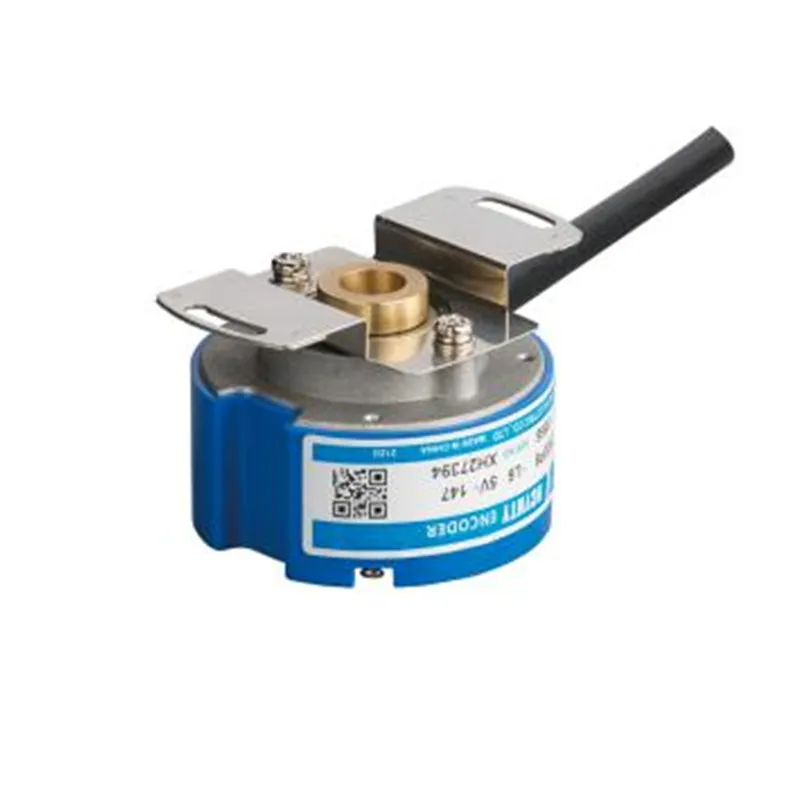
Key Features & Benefits of Rotary Encoder Wheel
Our rotary encoder wheel offers precision in every turn, designed to meet various industrial needs with flexibility and durability. Here are the core features:
| Feature | Benefit |
|---|---|
| Precision circumference options | Choose from multiple circumference sizes for exact linear distance measurement. |
| Compatible bore diameters | Fits a wide range of shaft sizes without extra adapters, simplifying installation. |
| High-friction tread materials | Rubber and polyurethane options ensure slipping is minimized for accurate readings. |
| Robust aluminum body | Lightweight yet tough, providing long-lasting durability even in harsh environments. |
| Low inertia design | Minimizes resistance for smoother, more responsive encoder feedback. |
| Easy integration | Engineered to pair seamlessly with popular rotary encoder models, such as the GLT48 rotary encoder and GLS45C rotary encoder. |
These benefits guarantee that the industrial encoder wheel performs reliably in applications requiring precise linear distance and speed measurement, making it a top choice for professionals seeking accuracy and dependable performance.
Technical Specifications of Rotary Encoder Wheel
Our rotary encoder wheels come in multiple sizes and material options to suit various industrial needs.
| Specification | Options Available |
|---|---|
| Wheel Diameter | 50 mm, 75 mm, 100 mm |
| Circumference | Corresponding to diameter, precise for accuracy |
| Bore Size Variants | 6 mm, 8 mm, 10 mm compatible with standard shafts |
| Material Composition | Durable aluminum body with rubber or polyurethane tread |
| Operating Parameters | Temperature: -20°C to 80°C; high-friction tread for slip resistance |
| Encoder Type Compatibility | Works with incremental and quadrature encoders like the GOS25C rotary encoder |
Our encoder measuring wheel ensures reliable circumference consistency for precise linear distance measurement. The aluminum encoder wheel body keeps inertia low for smooth operation. Its bore sizes fit common industrial encoder shafts for easy integration.
For a deeper look into the encoder types supported, check our guide on quadrature vs incremental encoder.This technical setup ensures the rotary encoder measuring wheel performs well in demanding industrial environments, offering flexibility and accuracy.
Applications & Use Cases for Rotary Encoder Wheels
Our rotary encoder wheels are built to deliver accurate linear distance and speed measurement on conveyors and moving webs, vital for smooth industrial operations. These encoder measuring wheels shine in cut-to-length systems where precise material measurement is crucial, as well as in labeling and winding systems where consistent rotation feedback ensures quality.
In packaging lines, textile processing, and wire or cable measurement, the reliability of an industrial encoder wheel guarantees consistent monitoring and control. Additionally, these wheels provide essential feedback in automated material handling and robotics, improving accuracy and responsiveness.
For more on how rotary encoders integrate with these systems, check out our detailed guide on incremental encoders measuring linear displacement and the differences with absolute encoders in incremental encoder vs absolute encoder.
Why Choose Sensyor Encoder Wheels
Sensyor rotary encoder wheels stand out for their durability and reliable anti-slip performance. Engineered with high-friction tread materials and a solid aluminum body, these encoder measuring wheels ensure consistent contact and precision—even in tough industrial settings.
Here’s why Sensyor encoder wheels make the smart choice:
| Feature | Benefit |
|---|---|
| Durable construction | Long-lasting use, resists wear and tear |
| Anti-slip tread options | Maintains grip on a variety of surfaces |
| Precision manufacturing | Accurate circumference and bore sizing |
| Wide compatibility | Fits most standard rotary encoders |
| Cost-effective design | Great value without sacrificing quality |
Each Sensyor industrial encoder wheel comes with strict quality checks, ensuring you get consistent performance every time. Plus, their range of sizes and materials means you can easily find a measuring wheel for rotary encoder setups tailored to your specific needs.
For those looking to optimize system accuracy, our lineup pairs perfectly with advanced encoder types. Check out detailed tips on selecting the right encoder wheels in our rotary encoder wheel product guide.Choosing Sensyor means investing in quality, precision, and smooth integration for your measuring wheel needs.
Installation & Compatibility Guide
Installing your rotary encoder wheel correctly is key to getting accurate measurements and long-lasting performance. Here’s a quick guide to help you get started:
- Mounting Instructions: Secure the encoder measuring wheel onto the shaft using the specified bore size. Ensure the wheel is aligned properly to avoid wobbling. Tighten set screws gently to the recommended torque specs—too much force can damage the wheel or shaft.
- Torque Specifications: Use a torque wrench to apply the manufacturer-recommended torque. Typically, this is between 0.5 to 1.5 Nm depending on the bore diameter and wheel material, ensuring firm mounting without causing deformation.
- Recommended Encoder Pairings: For best results, pair the measuring wheel with compatible incremental or absolute encoders. This ensures precise feedback for rotary encoder measuring wheel setups. Check encoder resolutions to match your application’s required accuracy.
- Resolution Calculations: Calculate linear resolution by dividing the encoder’s pulses per revolution (PPR) by the rotary encoder wheel circumference. This helps you determine the smallest measurable distance for your system.
- Tips for Optimal Contact & Maintenance:
- Clean the wheel’s surface regularly to maintain grip, especially for rubber encoder wheels.
- Inspect for wear and replace the wheel if the tread becomes smooth or damaged.
- Keep the mounting area free from debris to avoid false readings or slippage.
For deeper insights on selecting the right encoder type and matching it with your wheel, check our comprehensive guide on the main types of encoders. Proper installation and compatibility are the foundation of reliable encoder meter wheel performance in your industrial setup.
Customer Reviews & Testimonials: Real-World Reliability in Industrial Environments
Our rotary encoder wheel consistently earns high marks from customers who rely on it in demanding industrial settings. Users praise the industrial encoder wheel for its precise circumference measuring and robust, anti-slip tread, which ensures accurate data collection over long operational hours. Customers in packaging lines, textile manufacturing, and automated material handling highlight its dependable performance, even under heavy use.
Many note the ease of integration with their existing systems, thanks to the compatibility of our encoder measuring wheel with various bore diameters and encoder types. The durable aluminum body and high-quality rubber or polyurethane tread stand up to wear and tear, maintaining consistent contact and reducing the need for frequent replacements.
Feedback also emphasizes the value in cost-effectiveness without sacrificing quality—making the Sensyor rotary encoder wheel a trusted choice for precise linear distance and speed measurement. The real-world reliability reported in customer testimonials confirms its suitability as a key component in conveyor encoder wheels and cut-to-length encoder wheel applications across industries.For more on the technical side of integrating these wheels, check out our guide on incremental shaft encoder precision in control industrial automation.
Related Products & Accessories for Rotary Encoder Wheels
To get the most out of your rotary encoder wheel, you’ll want to pair it with high-quality accessories designed for seamless integration and reliable performance. We offer a range of rotary encoders, along with precision-engineered mounting brackets and flexible couplings that perfectly match various bore sizes and encoder models. For instance, our durable XT Series Spring Bracket provides secure mounting and consistent pressure to maintain accurate contact with your encoder measuring wheel.
Additionally, signal integrity is key for accurate readings, so don’t overlook our selection of cables and signal converters that ensure clean data transmission and compatibility with different encoder types. These accessories help you build a complete industrial encoder wheel system that’s easy to install and maintain. Browse our rotary encoder wheel kits and components to customize your setup to your exact needs.
FAQ: Calculating Resolution, Surface Compatibility & Bore Size Differences
How do I calculate linear resolution with a rotary encoder wheel?
To get the linear resolution, divide the rotary encoder’s pulses per revolution (PPR) by the circumference of the encoder measuring wheel. This tells you how many pulses correspond to one unit of distance traveled. For example, a circumference encoder wheel with 100 mm circumference and a 1000 PPR encoder gives a resolution of 0.1 mm per pulse. This helps in precise measurements on conveyors or web materials.
What surfaces work best with encoder meter wheels?
High-friction tread materials like rubber or polyurethane ensure better grip and reduce slip on smooth or slightly uneven surfaces. Surfaces that are overly slick or dusty may need a specially designed anti-slip encoder wheel to maintain accuracy. Proper surface contact is key for consistent speed and length measurement.
How do bore size and integrated encoder wheels differ?
Bore size compatibility is crucial for mounting the industrial encoder wheel securely on your shaft. We offer various bore diameter options to fit most encoder shafts with easy installation. Integrated rotary encoder wheels combine wheel and encoder in one unit for compact spaces but may limit customization. Separate encoder measuring wheels with compatible mounts provide flexibility for different setups.
For more on selecting the right encoder solution, check our guide on choosing the right absolute linear encoders for CNC or automation. Also, understanding what a linear encoder is can help clarify how these wheels fit in your system.
Call to Action & Purchase Rotary Encoder Wheel
Ready to upgrade your system with a reliable rotary encoder wheel? Choose from a range of encoder measuring wheel variants tailored to your specific circumference and bore size needs. We offer competitive pricing and attractive bulk discounts for industrial buyers looking to equip multiple machines.
Need custom options? We specialize in custom industrial encoder wheels designed to fit unique applications, combining durable aluminum bodies with high-friction tread materials for precise measurement every time.
Explore our selection now and find the perfect rotary encoder measuring wheel to boost accuracy and performance. For a complete setup, check out compatible products like our 03-Series metal wheels and the high-quality LX115S wire-type encoder.Contact us today to discuss your project requirements or place an order—our expert team is ready to help you get the best encoder meter wheel for your application.